Alzguard
Digital Cognitive Health Assessment and Training Platform
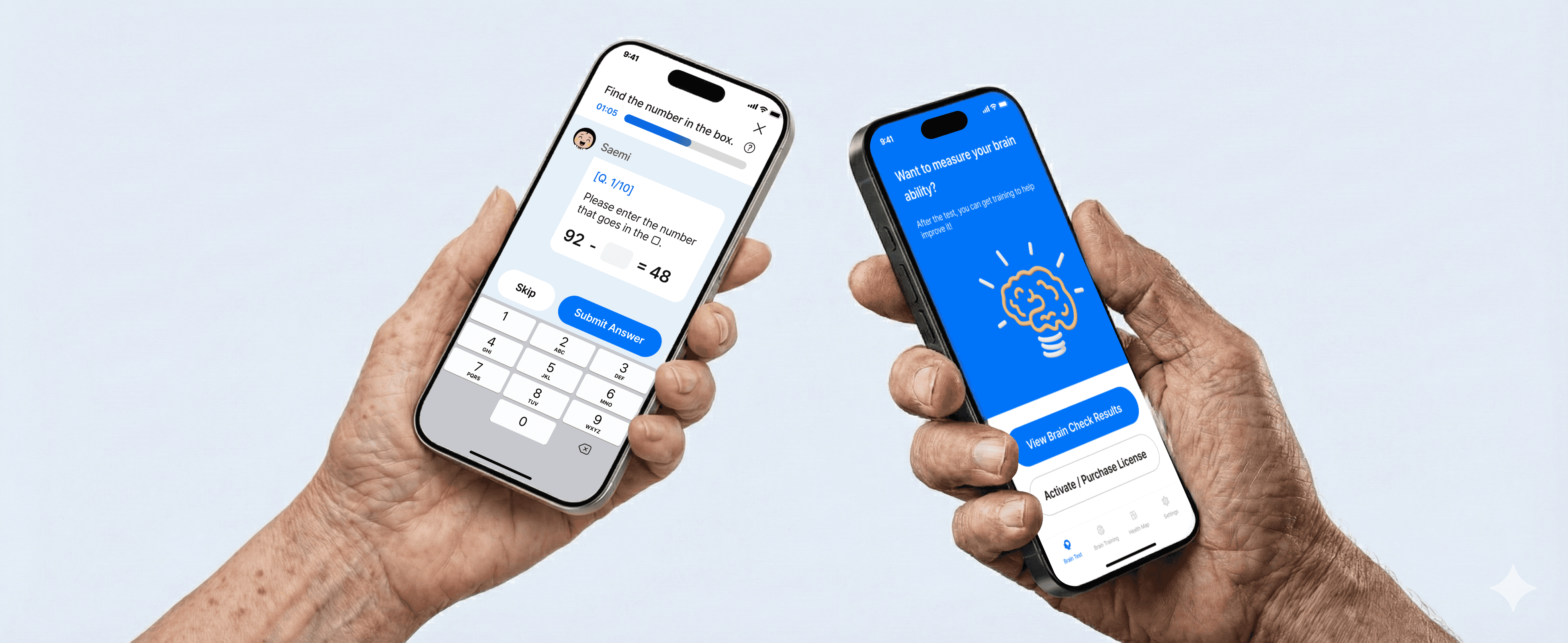
Alzguard is a cognitive health platform project by HAII — a Seoul-based digital health company that has raised $8M in total funding and received K-FDA clearance, with its flagship AI diagnostics achieving 88% accuracy in dementia detection. The project set out to unify three independently operated app services — Brain Check, Saemirang, and DACI — into a single cohesive experience for cognitive health assessment and personalized training.
As a Lab Intern at Yonsei University HCI Lab, I was assigned to this project as a client brief from HAII. I conducted user research and product analysis, led usability testing sessions, and drove the re-development of the platform's information architecture. I also contributed UX/UI design refinements and recommendations.
MY ROLE
Research Assistant
Skills
User Research & Testing
Information Architecture
Interaction Design
Data Analysis
Team
Seunghyun Lim, Hyemin Woo
Timeline
July 2025 - September 2025
01 | overview
Key highlights
Early cognitive screening in South Korea is constrained by fragmented tools, low digital literacy among older adults, and limited awareness of preventive care. Users encounter unclear instructions, inconsistent test reliability cues, and few pathways to continue monitoring after an assessment. These limitations undermine trust and reduce the likelihood of early intervention.
AlzGuard unifies screening, training, and care coordination within a single, streamlined platform. By improving clarity, clinical credibility, and continuity, the redesign enables users and caregivers to manage cognitive health with confidence and ease.
Unified Ecosystem
Seamless Service Integration
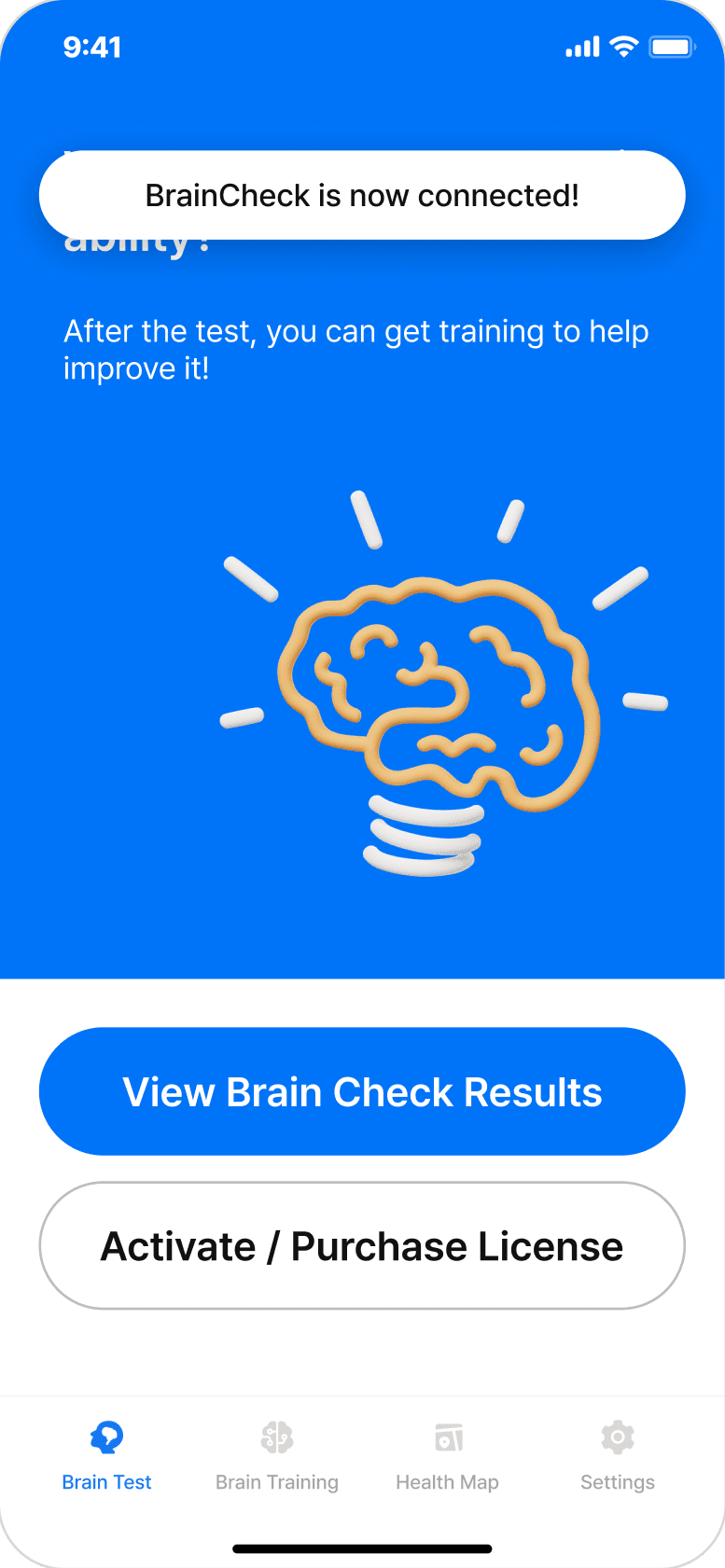
Three separate apps — Brain Check, Saemirang, and DACI — consolidated into one platform, giving users a single view of their cognitive health history and training progress.

Early Detection
Accessible 10-Minute Assessment
A 10-minute assessment using eye-tracking and voice analysis that delivers clinically accurate results without the burden of a traditional diagnostic visit.
Personalized Training
Data-Driven Adaptive Curriculum
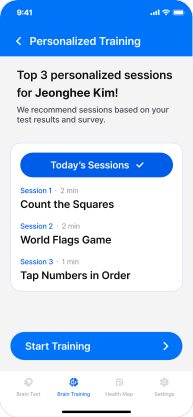
Assessment results feed directly into an adaptive curriculum that adjusts difficulty in real time based on the user's current cognitive level.
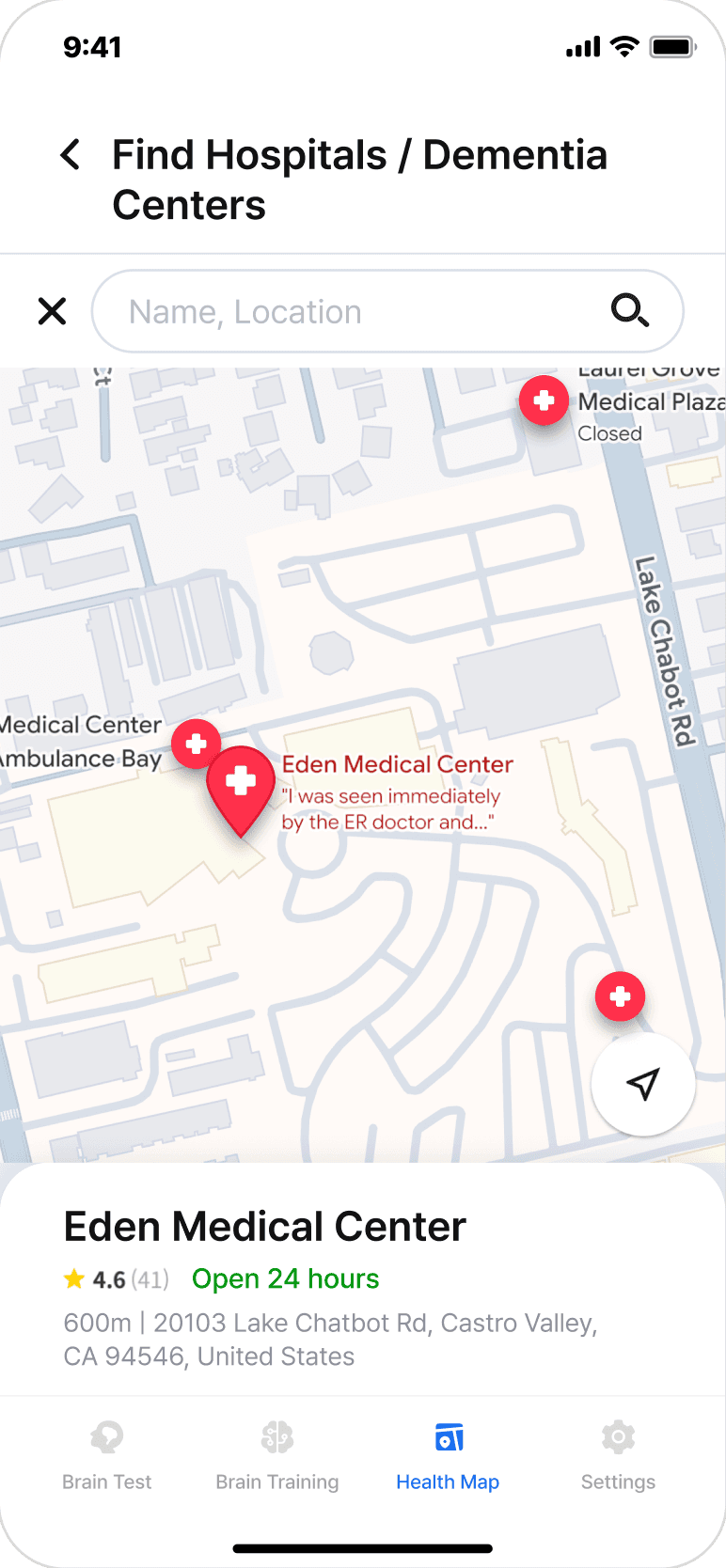
Lifestyle Management
Comprehensive Daily Care Support
Beyond the app, users and caregivers can locate nearby dementia centers and access verified health information to support day-to-day cognitive care.
02 | research
background
By 2050, more than three million people in South Korea are expected to live with dementia, creating major social and healthcare burdens. Despite the growing need for early detection, current diagnostic pathways remain costly, inaccessible, and fragmented. PET scans can take up to six months to schedule and cost over $3,000, while digital screening tools operate independently without a unified experience.
These disjointed experiences not only reduce user trust but also make it harder for patients and caregivers to sustain cognitive health routines over time. Alzguard was created to fill this gap — combining medical accuracy with accessible digital design to offer a continuous and reliable screening and training experience.
However, initial evaluations showed that the user journey across Brain Check, Saemirang, and DACI was cognitively fatiguing, emotionally stressful, and technically inconsistent. This led to the need for deeper research to uncover how older adults perceive, interpret, and emotionally respond to such diagnostic experiences — and how these insights could inform a more user-centered redesign.
Defining Alzguard’s Three Apps: 'How might we drive usage across the entire ecosystem?
Need a simple, free early screening?
Looking for both screening and daily training?
Need professional screening faster than a hospital visit?
Braincheck
5 min Screening

Saemirang
20 min Screening ・ Daily Personalized Training

DACI
35+ min Screening
Through initial research, I found that fragmented experiences in service design often lead to confusion and lack of coherence for users, highlighting the need for a more integrated and purposeful approach. Reflecting upon this core issue, I started to question:
💭 How might Alzguard’s workflow be structured to create a smooth, streamlined experience across platforms such as Braincheck, Saemirang, and DACI—while maintaining a clear and unified sense of purpose?
research methodology
To bridge clinical accuracy with everyday usability, we structured a five-phase research process that progressed from early user discovery to strategic insight development. Each phase built on the previous one — identifying pain points, validating user needs, and translating behavioral findings into actionable design directions.
Initial User Discovery
1
User
Analysis
2
Persona
Development
Interviewed users and ran usability tests to surface core needs.
Created personas to clarify user pain points and guide the service flow.
Contextual Understanding
3
Context
Analysis
Analyzed physical and socio-cultural contexts to define service needs.
Market & Research Foundation
4
Secondary Research
5
Business Model
Reviewed the existing system to identify strengths and gaps.
Outlined core business elements and validated U.S. market potential.
Step-by-step research that uncovered insights driving a strategic pivot
research HIGHLIGHTS
usability testing
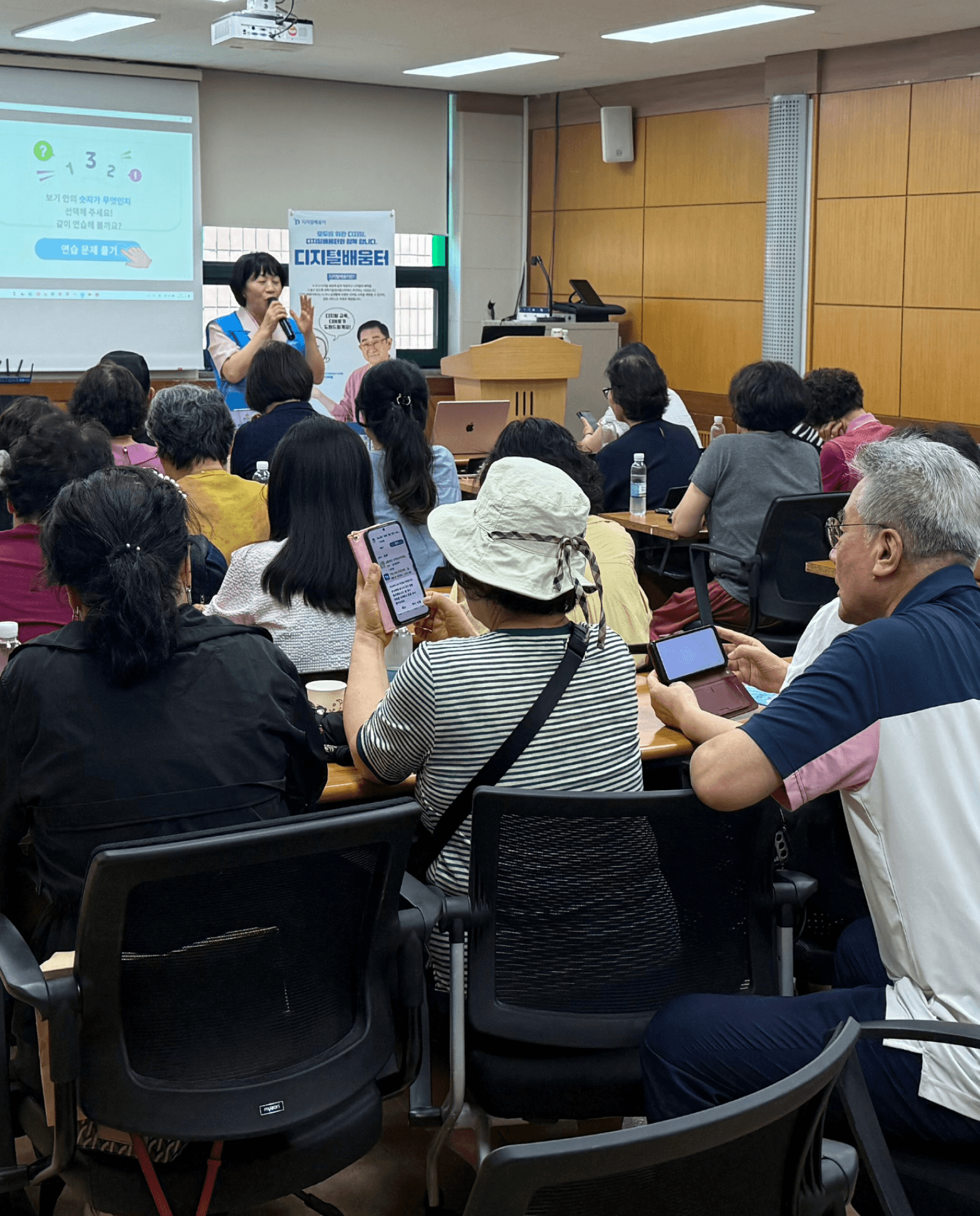
To evaluate how older adults use digital cognitive-assessment tools, we conducted moderated usability tests with 30 participants aged 50–70. Each 15–30 minute session explored how users interpreted instructions, managed cognitive load, and reacted emotionally while completing Brain Check, Saemirang, and DACI tasks.
Usability Test Objectives
Identify psychological, cognitive, and technical barriers
Observe how users interpret instructions and feedback
Gather insights to improve clarity, pacing, and emotional tone
Usability Test Target & Duration
30 participants (male & female, aged 50–70), 15–30 min each.
Feedback Focus
Gathering feedback on psychological, cognitive, and technical obstacles encountered by users.
Testing Scope
Evaluated three diagnostic tools—Brain Check, Saemirang, and DACI—to uncover friction points across different levels of complexity and interaction.
Task 1
Task 2
Task 3
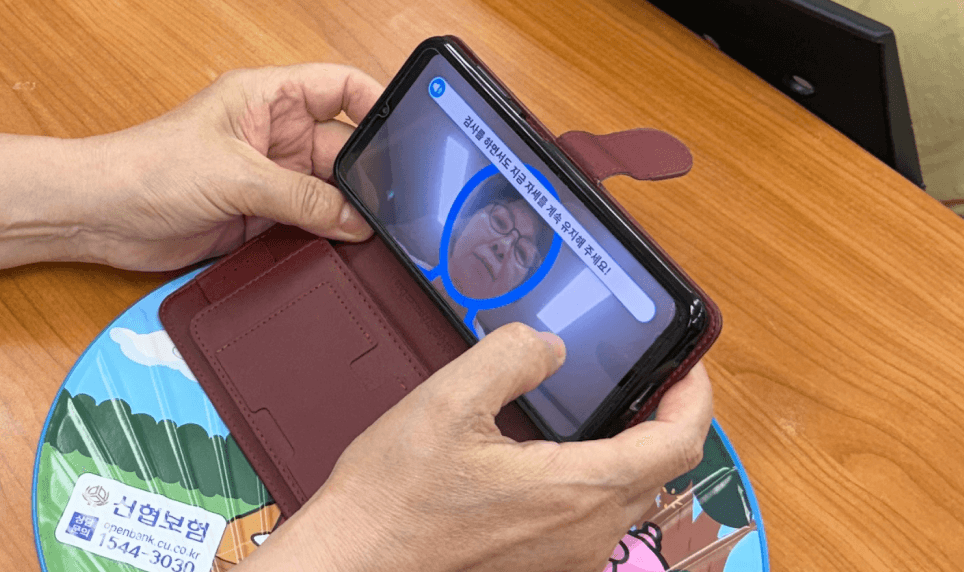
The first session evaluated Brain Check, a set of short cognitive games for memory and attention. Most participants completed the tasks smoothly, but hesitation emerged when instructions were unclear or results were shown as percentile scores (“Top 50%”). These reactions highlighted the need for clearer guidance, a friendlier results tone, and stronger next-step reassurance.

Brain Check
Ms. Shim
Female
/ 65 years old (born in 1960)
/ High school graduate
Mr. Ko
Male
/ 73 years old (born in 1952)
/ University graduate
Test Phase
Result Phase
(1) Getting Ready
Logged in and matched face quickly.
Stopped a bit at school level choice. Needed kind help to know why it was needed.
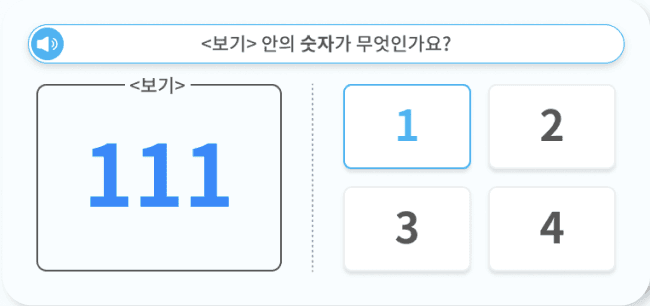
(2) Thinking Reaction
Finished quickly without trouble.
→ Practice questions helped a lot.
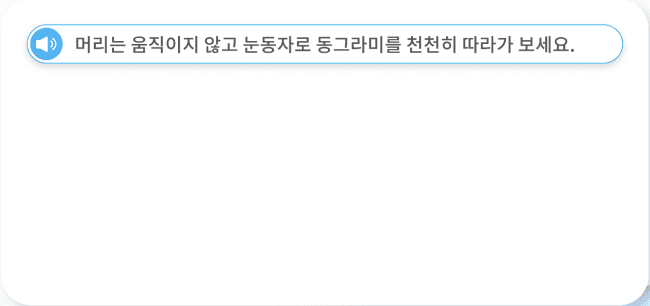
(3) Eye Reaction
Looked a bit confused at first, said, “Do I just look at this?”
→ After practice, did it fast and easily.
Test Phase
Result Phase
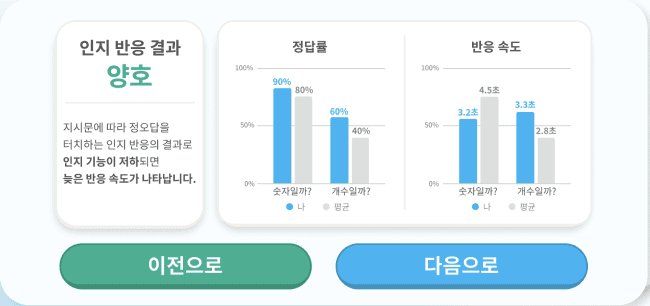
(1) Thinking Reaction Result
Didn’t understand the graph at first.
→ “Is this a number? Or how many?”
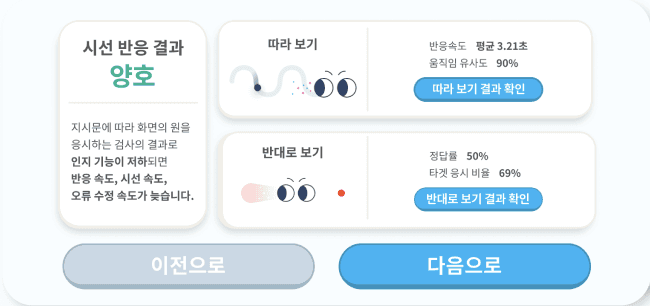
(2) Eye Reaction Result
Didn’t know what the eye test was for.
→ “What is this eye test for?”
(3) Overall Result
When the result page said “Top 50%,” they stayed quiet for a bit.
Even if their score was okay, if it looked lower than they thought, they felt sad or worried.

The usability sessions across Brain Check, Saemirang, and DACI revealed consistent behavioral patterns that went beyond interface usability. Participants’ emotions, confidence, and interpretation of feedback played a crucial role in shaping how they engaged with the tests. These collective observations led to one overarching insight that guided the next phase of research.
Insight
Users were eager for early dementia screening but lost confidence when tests felt clinical or confusing. Building trust required clear guidance, emotional reassurance, and a human tone that balanced accuracy with empathy.
Identifying Key User Groups
After the usability testing phase, we conducted user profiling to pinpoint which groups would most benefit from early digital screening. The analysis used two lenses: medical condition and psychological response.
Clinical segmentation focused on individuals in the Preclinical and Mild-stage Alzheimer’s phases — those within the “golden window,” when cognitive ability remains intact but early intervention is crucial.
Behavioral segmentation examined users’ emotional responses to testing, including health anxiety and trust in digital tools.
This revealed a key group — Anxious Avoiders — people who worry about dementia but postpone screening due to fear and uncertainty. Understanding this group helped define how the product could encourage testing behavior through empathy and reassurance. By combining clinical data with behavioral profiling, I established both functional and emotional design directions for the next phase.
Medical Condition
Preclinical/Early AD
Beta-amyloid accumulation begins,
but cognitive function is still preserved

Psychological Response
Anxious Avoider
High levels of worry
but avoidance of testing
🎯 Core target users
Individuals for whom brain changes have started but are still within the golden window, who delay testing due to anxiety.
persona Development
Drawing from insights gained in usability testing, our team developed three personas that represent distinct roles within the dementia-screening experience. Patterns across user behaviors and emotions—such as anxiety about diagnosis, trust in digital tools, and dependence on social encouragement—shaped each persona’s profile.
“I’m worried about dementia because my mother had it.
How can I prevent or manage it?”
Jeonghee, a 55-year-old small restaurant owner, avoids checkups despite health worries but starts using a dementia app after encouragement from her daughter and a friend.
Pain points
Nervous and not confident using digital devices.
Little free time to focus on health.
Needs
Wants a test that can be done with a friend and used continuously.
Wants a simple, time-saving test for busy small business owners.
Wants reliable and trustworthy test results.
PERSONALITY
Busy
Time rich
Messy
Organized
Skeptical
Gullible
goals
Detect dementia early to reduce anxiety from mother’s dementia history.
Maintain health and keep a stable life with family.

Jeonghee Kim
55 • Restaurant owner
Ilsan, South Korea
Worry about dementia ↑, Free time ↓
Willingness to prevent dementia ○
Trust in digital devices ↓
Interest in government support ↑
“Mom, you need to start taking care now!
I’ll help you, okay?”
Subin, a 20-year-old nursing student, sees an ad for the “Brain Check” app and recommends it to her mother, hoping it can help prevent dementia and support her health.
Pain points
Nervous and not confident using digital devices.
Little free time to focus on health.
Needs
Wants an easy, simple app that parents can use comfortably.
Needs emotional guidance on how to encourage mother to act.
PERSONALITY
Busy
Time rich
Messy
Organized
Skeptical
Gullible
goals
Wants to find and manage mother’s memory problems early.
Looks for an easy way to keep the family healthy.

Subin Park
20 • University student
Ilsan, South Korea
Worry about Mother ↑, Free time ↑
Willingness to take caregiver role ○
Trust in digital devices ↑
Interest in digital therapeutics ↑
“People use this for dementia screening now!
I tried it too. You should try it, Subin’s mom!”
Soonja, a sociable homemaker in Goyang, learns about a dementia app and encourages her friend Jeonghee to try it.
Pain points
Worry about late diagnosis.
Trouble using digital devices.
Needs
Needs reliable health information.
Needs an easy-to-use mobile test tool.
PERSONALITY
Busy
Time rich
Messy
Organized
Skeptical
Gullible
goals
Find memory problems early.
Stay healthy and happy in old age.

Soonja Jung
55 • Homemaker
Ilsan, South Korea
Worry about dementia ↑, Free time ↑
Willingness to prevent dementia ○
Trust in digital devices ↓
Interest in government support ↑
Mapping Environmental and Social Contexts
After identifying behavioral patterns from usability testing, we conducted a contextual analysis to understand where and under what conditions users engage with digital cognitive assessments. The goal was to uncover environmental, social, and cultural factors that shape usability beyond the interface — such as lighting, privacy, waiting time, and stigma surrounding dementia testing.
Hospital Environment
Home Environment
Social & Cultural
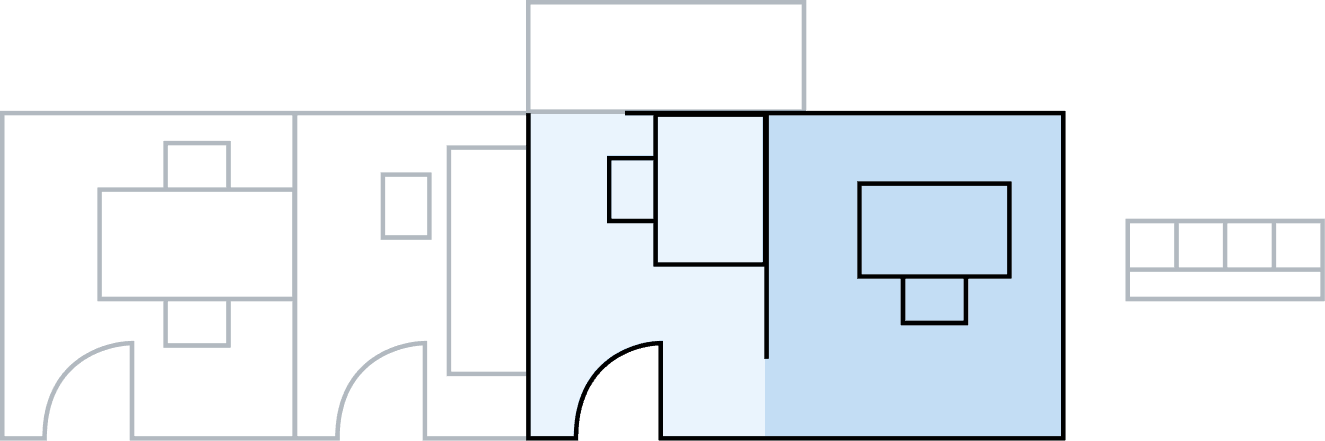
In hospital settings, long waiting periods offered natural chances for early screening, but the atmosphere felt clinical and intimidating, heightening anxiety and reliance on caregivers. Limited privacy reinforced dependence and self-consciousness, turning a preventive activity into a diagnostic experience. These findings showed that hospital-based tools should transform idle time into approachable screening moments by emphasizing comfort, autonomy, and reassurance.
Treatment Rooms
Injection treatment for Alzheimer’s and MCI patients using drugs like Lecanemab and Donanemab.
Reception Waiting
Check-in and wait area for patients and caregivers.
Move after basic health check.
Cognitive Test Rooms
Main memory and thinking test area.
Diagnosis Waiting Zone
Wait after diagnosis; start D10 training.
Watch family education videos and get dementia center info.
Consultation Rooms
Doctor explains results and decides on extra tests or medicine.
Help install health or memory apps if needed.
1
3
4
5
2
Room Details
table
table
table
Consultation Rm
Treatment Rm
Diagnosis Waiting Zone
Cognitive Test Rm
Memory test and treatment space with quiet sound and nice lighting.
Operator Control Area
Equipment Rack
Space for the staff to watch
and set up the test.
Exam Core & Tester Area
Where people take the test — comfy chair, table, good light, and eye tracking setup.
1
2
3
4
Strategic Research & Market Insights
Secondary Research highlights
With the broader context defined, we analyzed how awareness and behavior shape access to early dementia screening. Secondary research revealed why people avoid testing and what hinders ongoing monitoring. Data from the Korean Dementia Society showed a major gap: people value early screening but often don’t understand MCI or its urgency. These insights highlighted behavioral and policy opportunities that informed Alzguard’s positioning.
Main Reasons for Avoiding Early Diagnosis of Mild Cognitive Impairment (MCI) • Alzheimer (AD)
People really want early tests for screening, and patients and families want more check-ups.
Q. Should the government
expand early diagnosis and treatment support for MCI?
Yes
(78.3%)
No
(21.7%)
Q. Is it necessary to delay treatment for dementia
in the early stage?
Yes
(81.2%)
No
(18.8%)
Well aware of MCI (27.7%)
Never heard of the term MCI (29.39%)
Don’t know that MCI
is the 'golden time' for dementia prevention
(42.91%)
2025 Korean Dementia Society (KDS) survey on the awareness of Mild Cognitive Impairment (MCI)
Insight
People know dementia prevention is important, but not knowing enough about the disease makes early screening hard.
Main Reasons for Avoiding Early Diagnosis of Mild Cognitive Impairment (MCI) • Alzheimer (AD)
The reality is the very low rate of detecting Alzheimer's (AD) and Mild Cognitive Impairment (MCI) early.
The early diagnosis rate of MCI • AD at the national level (HP2030) is barely around 30%.
23.78 %
Early diagnosis rate
for 75+ 👨 male
37.01 %
Early diagnosis rate
for 75+ 👩 female
National Target Indicators of the Republic of Korea (HP 2030)
South Korea's major cities, like Seoul and Busan, have many people, but early AD diagnosis rates are in the single digits.
“I underwent early AD screening.”
(About 7% of the population aged 65 and above in Busan.)
Dementia screening trend in Busan, South Korea, 2024.
Insight
The country aims to increase the early MCI • AD screening rate, but the current level is very insufficient.
Main Reasons for Avoiding Early Diagnosis of Mild Cognitive Impairment (MCI) • Alzheimer (AD)
Although people know the importance of early screening, they still fail to cross the threshold of the hospital. This is not just simple indifference, but a result of intertwined social, systemic, and psychological factors.
Associate stigma or negativity
with the word ‘dementia’

Concerns about losing driving privileges and insurance

Long Consultations and Costly Multi-Disease Management

Cognitive Illness Nomenclature Survey, 2024
Insight
People avoid early dementia diagnosis due to stigma, loss of driving or insurance, long visits, and multiple health burdens.
Mild Cognitive Impairment (MCI) • Alzheimer (AD) Early Diagnosis Business Expansion Forecast
The Korean Ministry of Health and Welfare (MoHW) is promoting early dementia screening, and families seek information and regular management.
Plan 4 (2021–25) 7 out of 10 people aged 60+ get early memory check.
Draft Plan 5 (from 2026) plan to reach 75%+ early screening by 2030.
2025 mobile screening teams added to 256 Dementia Safety Centers and local clinics,
launching on-site checks even in remote towns.
Insight
Nationwide expansion of MCI and AD early screening programs is expected.
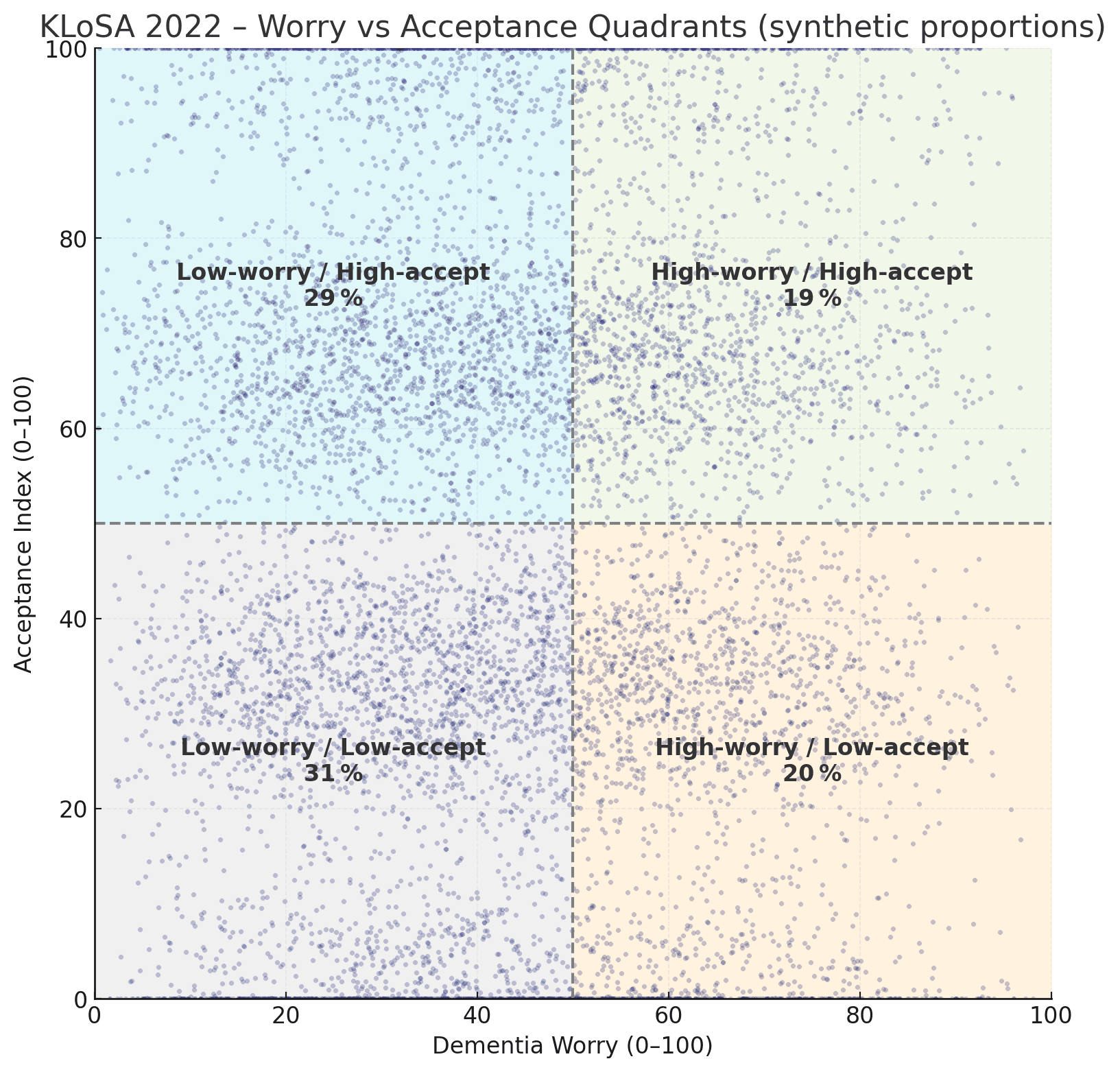
Korean Longitudinal Study of Aging (KLoSA)
6,057 participants, 2022, data from Statistics Korea MDIS;
four-quadrant distribution by dementia concern level × medical acceptance level.
Over 60% show low concern about dementia
(score below 50).
High-worry group accounts for 40% of the total.
Proactive accepters (High-High), who actively follow medical advice, make up about 20%.
→ Core target group expected to respond most immediately to early screening and digital therapy solutions.
Insight
People know dementia prevention is important, but not knowing enough about the disease makes early diagnosis hard.
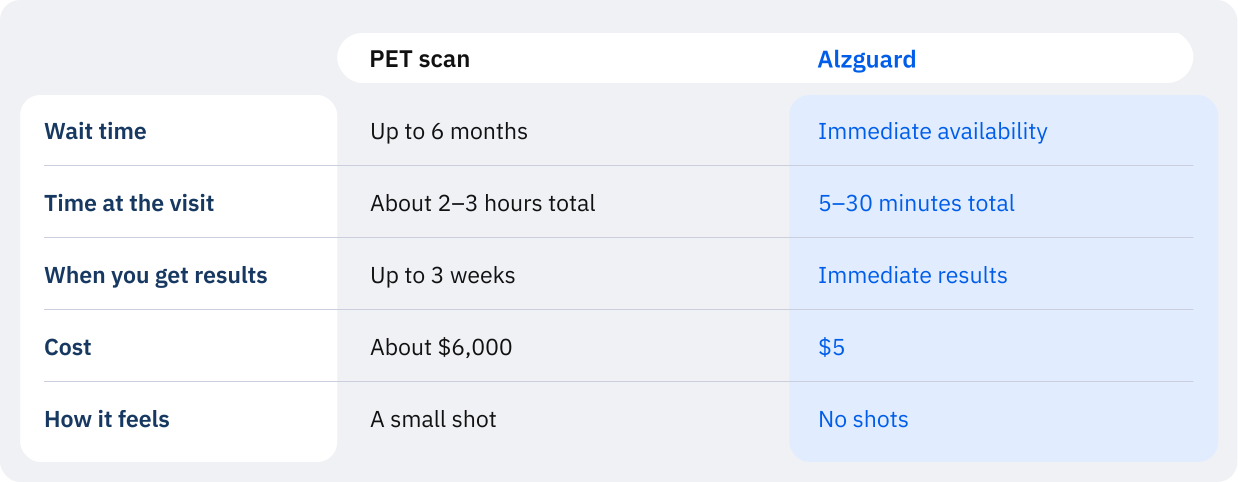
Alzheimer’s Checks Made Easy: PET Scan vs. Alzguard
Insight
Alzguard is faster, easier, and less burdensome than a PET scan.
Our analysis showed that screening for MCI and Alzheimer’s is still fragmented and inconvenient. Most older adults need to visit public health centers for assessments, and repeated follow-ups increase time and cost. Because many tests still depend on subjective questionnaires instead of measurable biomarkers, it’s difficult to gauge actual cognitive change. Screening and prevention are also handled as separate steps, leaving few tools that support long-term engagement or continuous tracking.
Residents aged 60+ must visit public health centers.
After screening, additional hospital visits are required.
No spatial or time constraints.
Minimizes time and cost.
Needs & Pain Points of MCI, AD Patients
Screening mainly based on questionnaires
→ Difficult to accurately assess actual cognitive status.
Based on digital biomarkers such as eye tracking, voice, and reaction time.
Enables objective and quantitative screening.
Screening and prevention are separated.
Hard to motivate transition to dementia prevention behaviors.
Integrated structure of diagnosis → training → monitoring.
Provides personalized cognitive intervention content.
Key Research Findings
Competitive Analysis Highlights
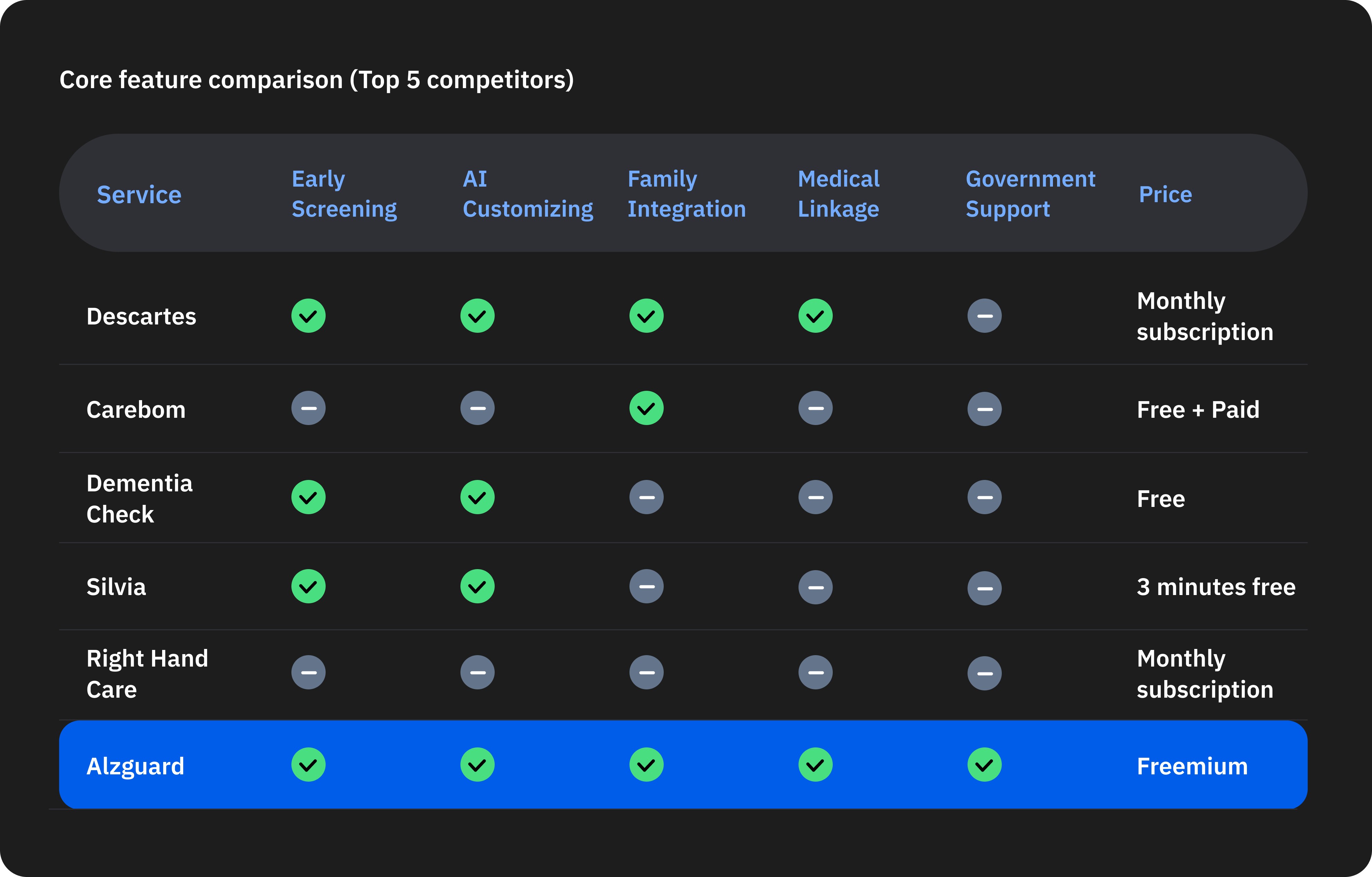
After doing the secondary research, I looked at what the top 6 competitors offer. I compared things like early screening, AI personalization, and family integration. Some companies, like Descartes, offer lots of features, while others, like Carebom, offer only a few. Alzguard stands out because it offers all the important features, and it has a free option, making it easy for more people to use. This helped me see where Alzguard can be different and better than others.
03 | Defining the Service
service blue print
As part of defining the service, we created a blueprint that mapped four key entry pathways: friend referral, family referral, hospital introduction, and self-initiated use. For each pathway, we examined best- and worst-case scenarios, identified pain points, and developed countermeasures to ensure a consistent experience across different contexts. This analysis clarified where trust breaks down, where users struggle during onboarding, and what information or support each pathway requires—forming the basis for the service strategy.
🔍 Analysis Process
1
All Possible
Entry Points
Mapping
3
Pain Point
Identification
2
Worst/Best Case
Analysis
for Each Path
4
Counterplan
Development
5
Service Blueprint Design

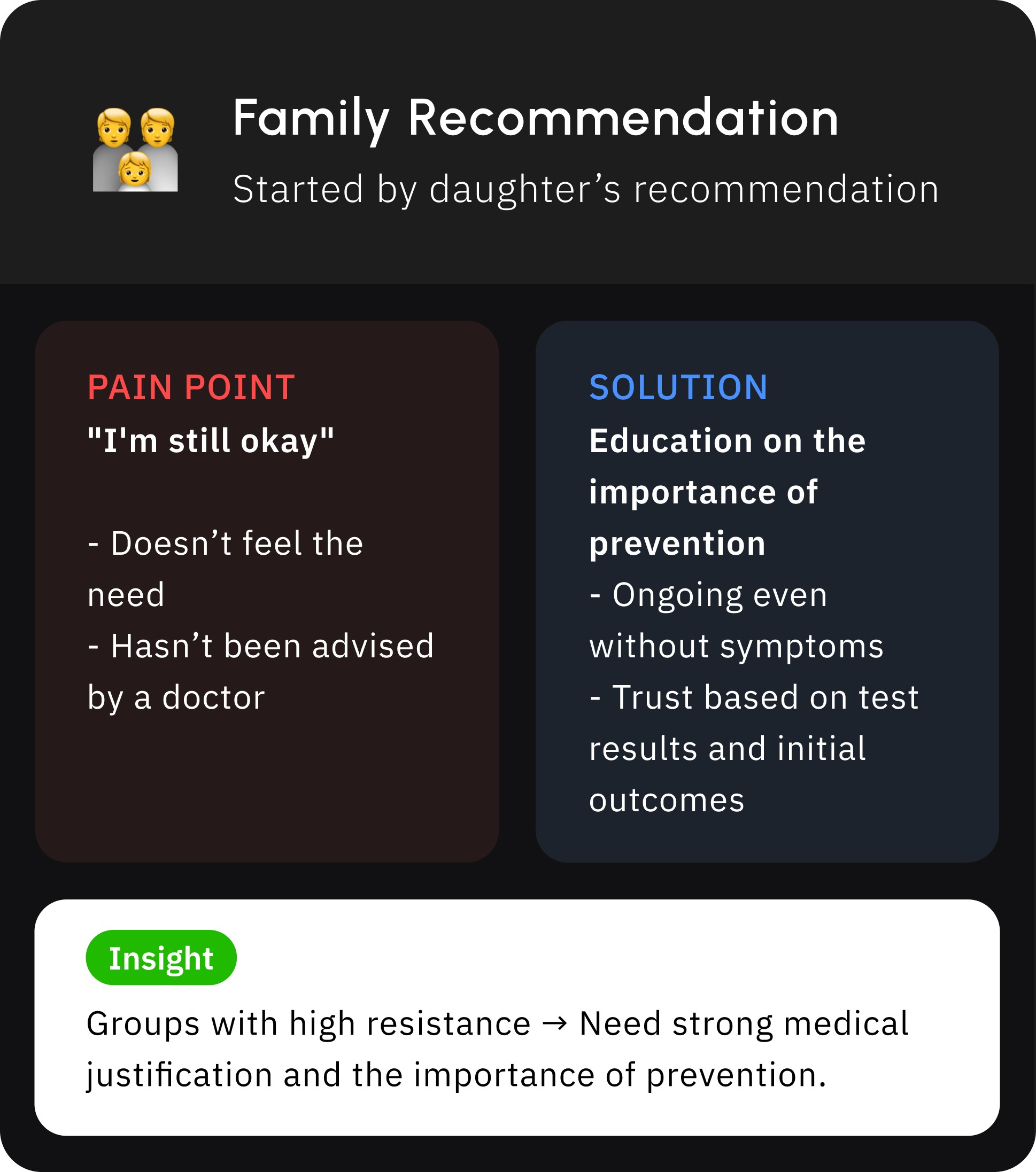
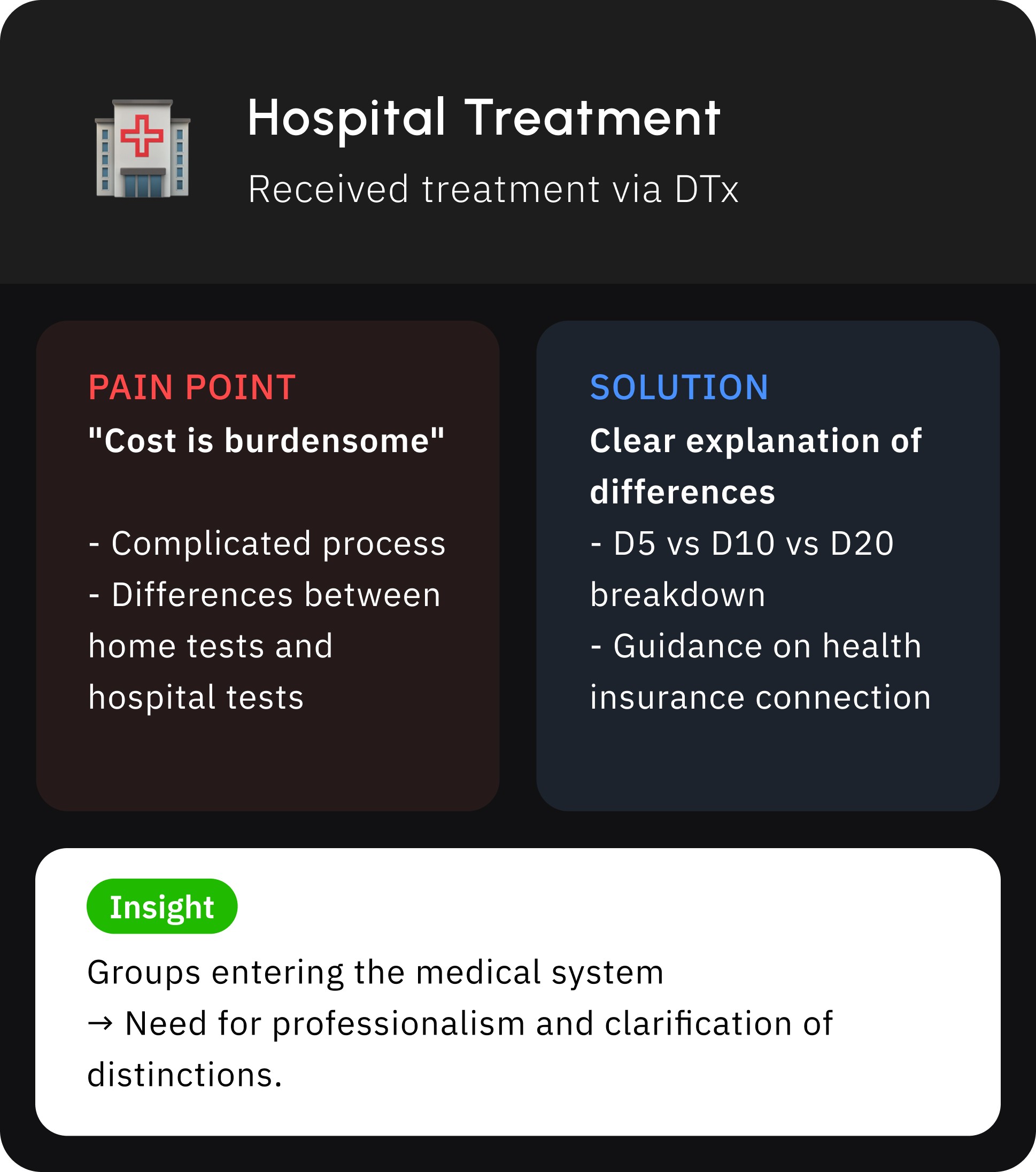
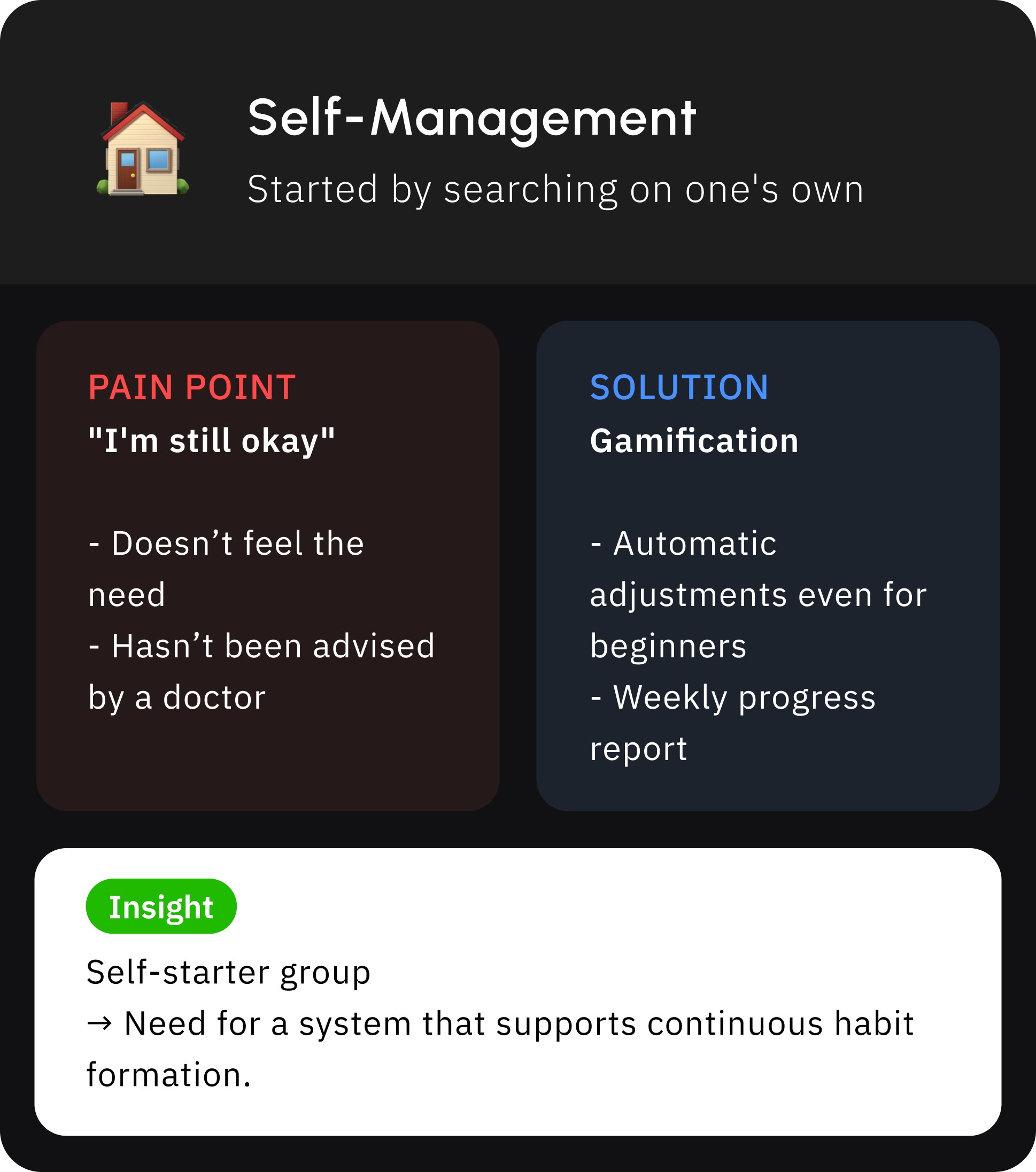
Synthesis of the pathway analysis highlighted three systemic issues: weak trust and credibility, usability and interpretation barriers, and limited knowledge of early intervention. These findings guided the development of a service strategy centered on reliability, usability, and evidence-based education.
Problem
Low perceived reliability
Users doubt accuracy and consistency of results.
Usability challenges
Digital literacy barriers, task and result interpretation errors.
Limited awareness & credibility concerns
Users don’t understand early intervention or trust medical legitimacy.
Solution
Reliability
Clinical validation, clearer results, stronger trust signals.
Usability
Simpler interactions, reduced confusion, support for low digital literacy.
Awareness
Evidence-based education on early intervention and cognitive change.
Service Delivery Channels
As part of defining the service ecosystem, we identified all possible access routes for Alzguard and categorized them into four channel types: daily-life touchpoints, corporate/community networks, welfare-facility channels, and online/offline healthcare institutions.
Daily-routine channels
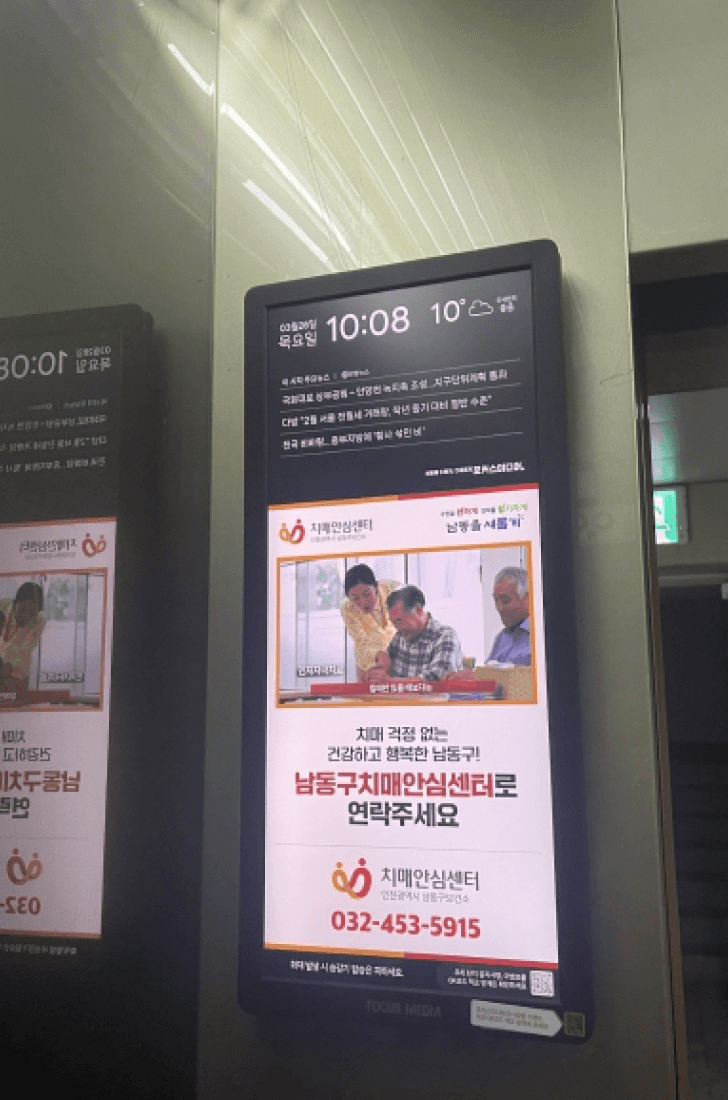
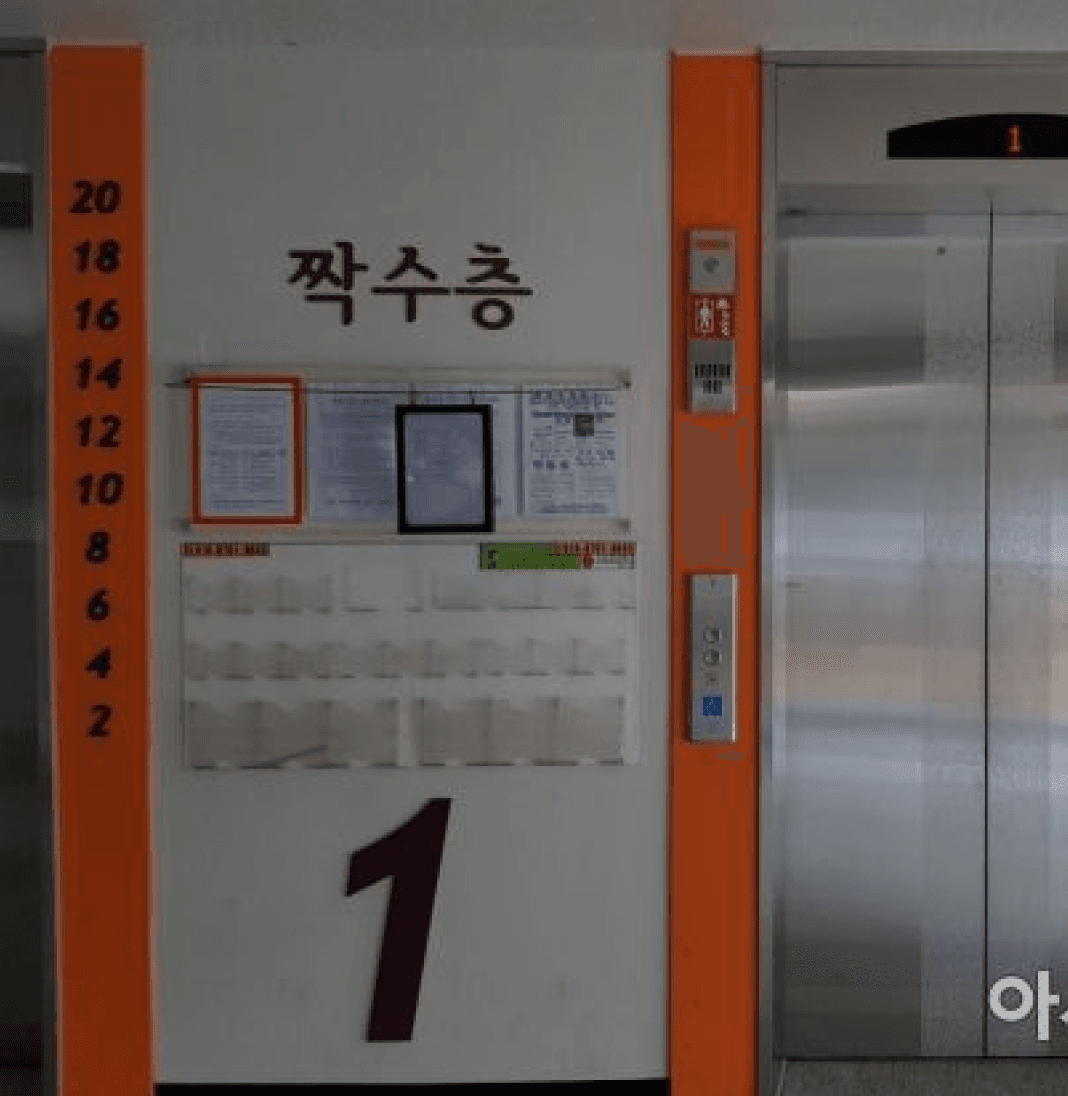
Use everyday touchpoints—such as pharmacies and residential elevators—to deliver repeated, low-cost exposure. Tactics like medicine-bag prints and digital screen ads integrate naturally into users’ routines, increasing reach and familiarity.
Access location
Specific purpose
Hospital, Pharmacy
Daily routine
Elevator

Small-business community channels
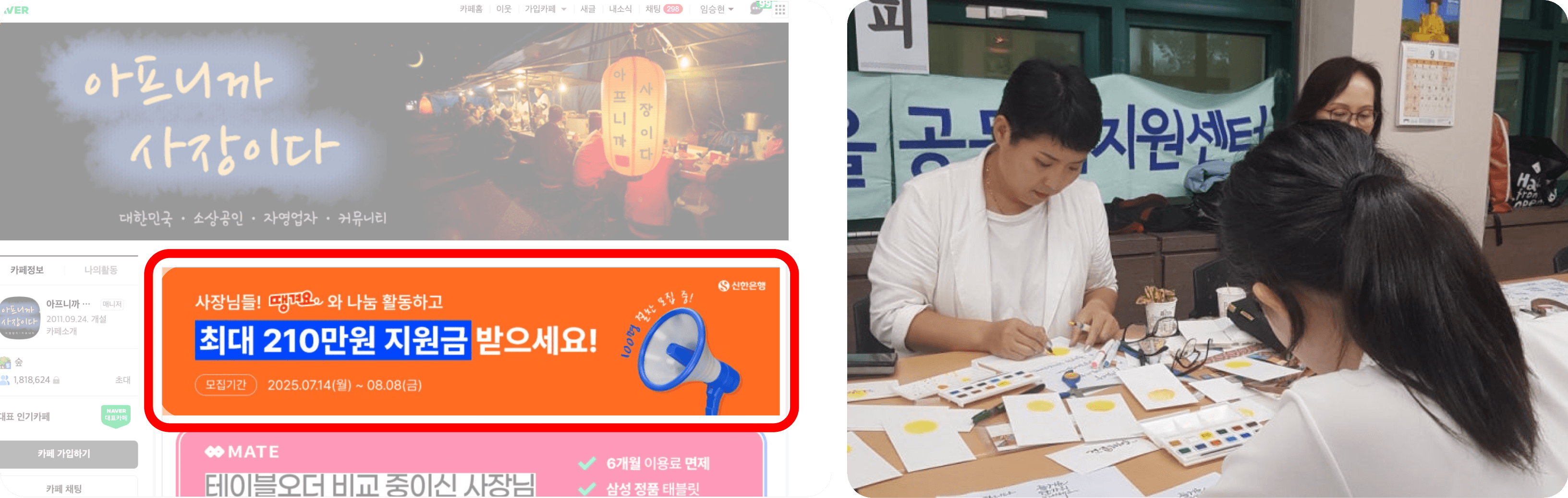
Reach middle-aged small-business owners through trusted local networks, both online (e.g., KakaoTalk) and offline (neighborhood associations). These peer-driven communities enable efficient sharing of health information and high engagement.
Access method
Online
Self-employed business owners' representative café,
KakaoTalk advertising channel
Offline
Local business association and local government linkage
Welfare service channels
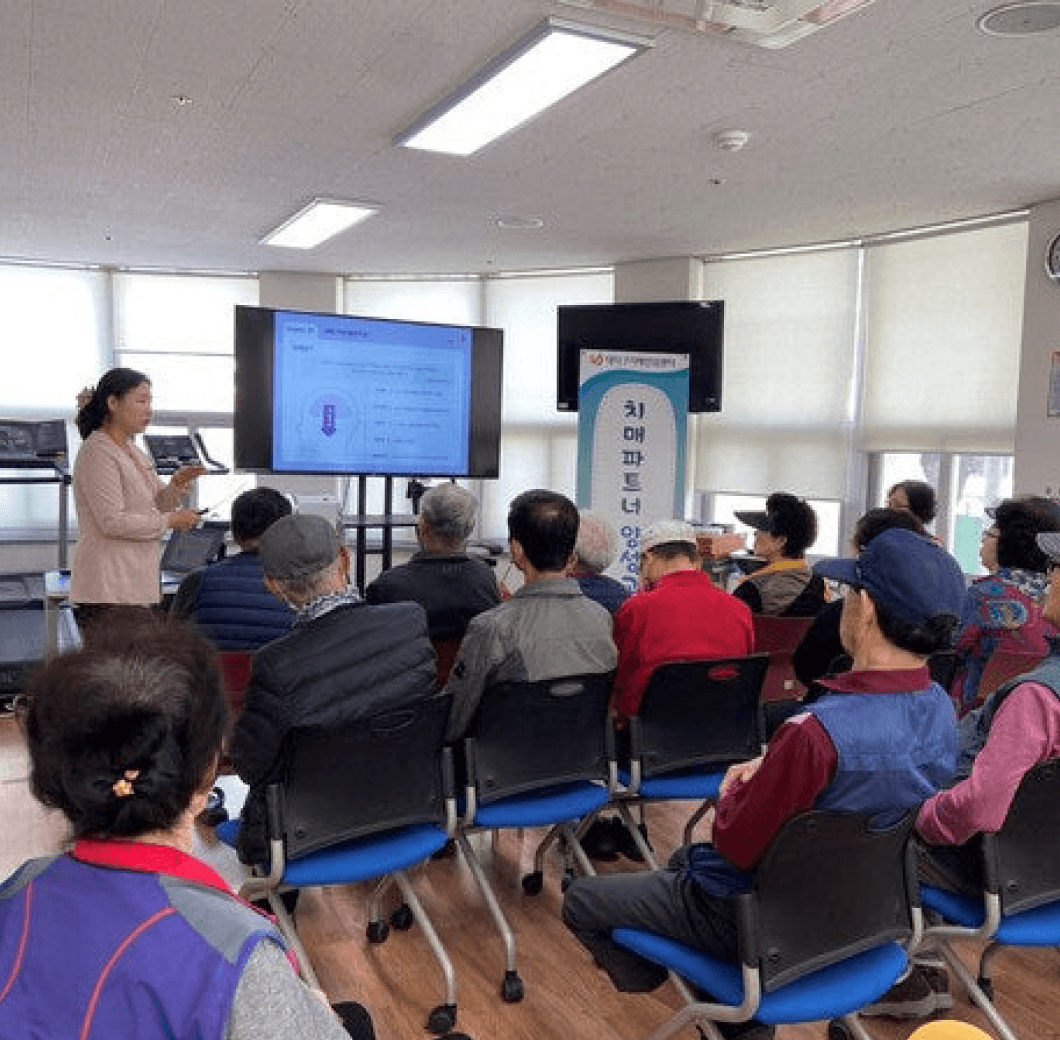
Partner with social-welfare centers and government programs to provide direct access for high-need seniors. Delivering screenings and education through these trusted institutions ensures effective outreach and guided support.
Access method
Local government linkage
Integration with senior welfare center
educational programs
Government linkage
Integration with senior care services

Healthcare institution channels
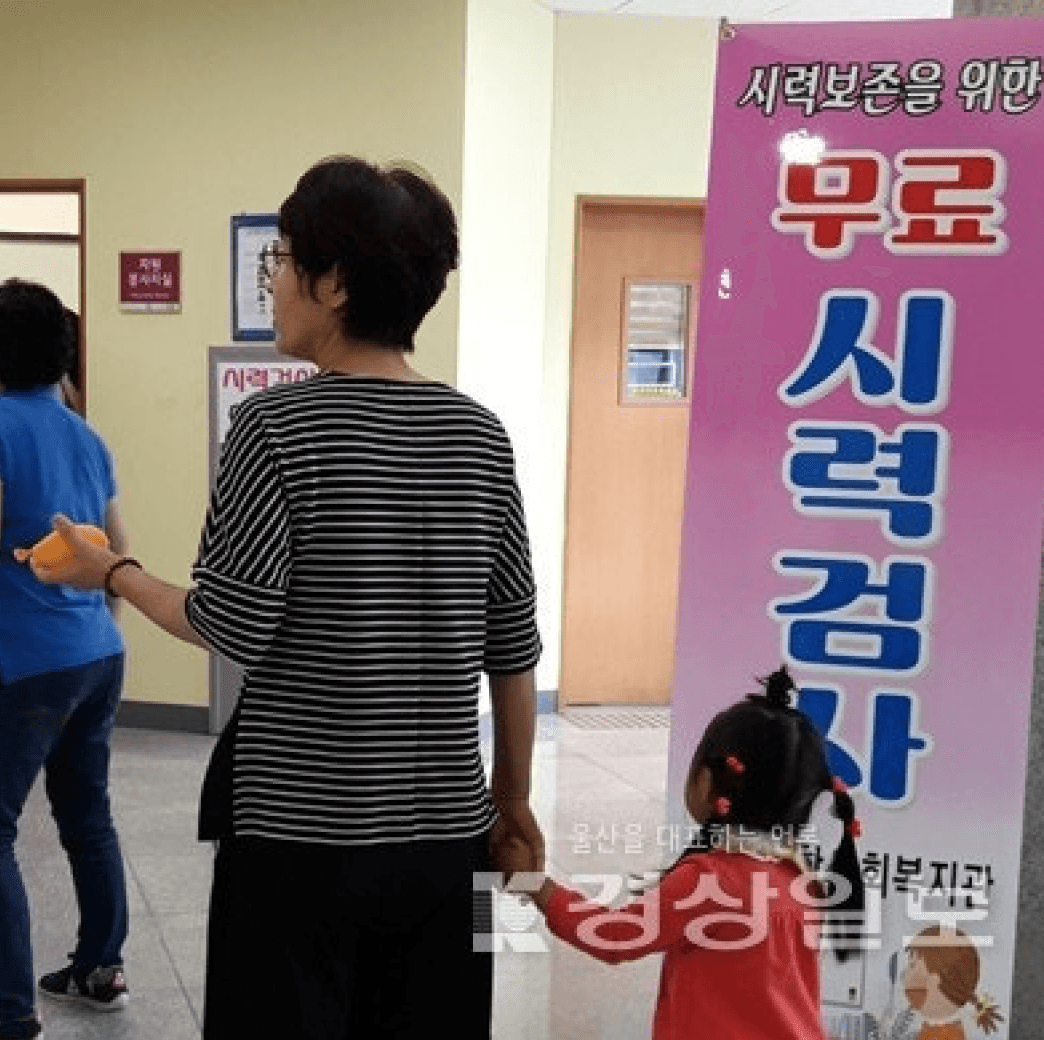
Leverage direct notifications (e.g. SMS, KakaoTalk) and in-facility visual aids to reach users within medical environments. These authoritative touchpoints reinforce trust while delivering timely reminders and promoting early screening.
Access method
Offline Healthcare
Institutions
Institution-based promotion
(SMS, KakaoTalk, hospital app banners)
Online Healthcare
Institutions
On-site promotion
(Using waiting time + posters, leaflets, standing signs)
*Institutions: Public Health Center, Dementia Care Center, Hospital
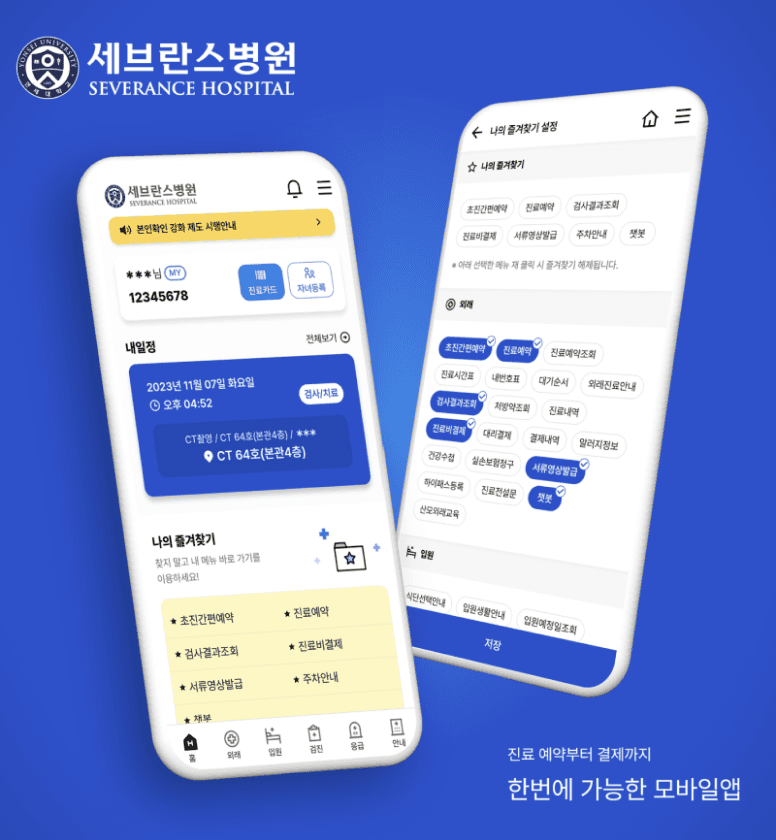
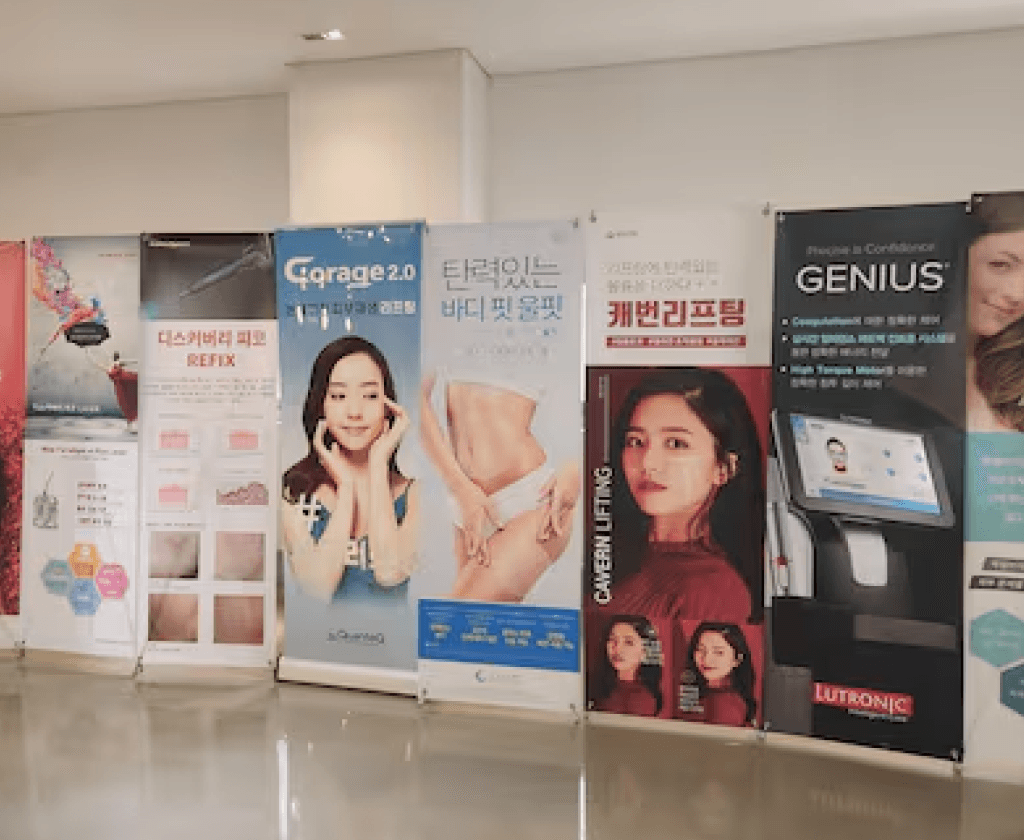
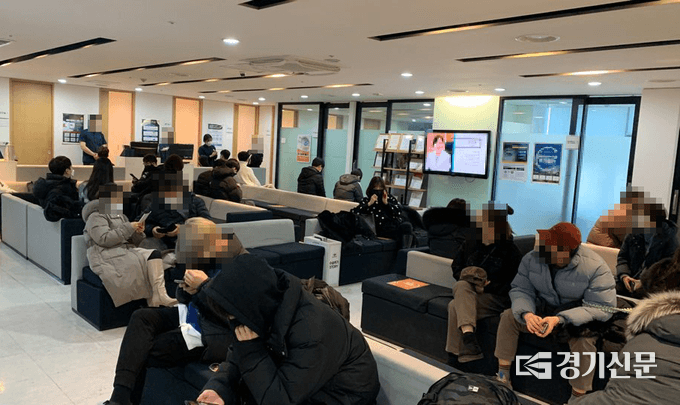
Developed Business map canvas
To design Alzguard’s service model, we mapped all potential routes through which users could encounter the product and organized them into four channel types: daily-routine touchpoints, community and workplace networks, welfare service channels, and online/offline healthcare institutions. This analysis informed a business map that connects the value proposition, target users, distribution channels, and the onboarding relationship strategy.
💡
Value Proposition
Easy access to health insights
Trust-driven experience
Instant results, sharing, booking
👥
Customer
50s–80s health-conscious adults
Avoiders who prefer non-hospital options
📱
Channel
Lifestyle media
YouTube, elevator screens
Community networks
Social platforms
🤝
Relationship
QR-based onboarding
Ongoing education
and caregiver connection
Information architecture
To solve fragmentation across Brain Check, Saemirang, and DACI, I unified them under a single account and reorganized their flows into a continuous service pathway. This makes progression across tools intuitive and reduces cognitive load for older adults.
Hover over the image to view the developed IA.

Brain Test

Results

Terms Consent (Required)
Face Recognition
Eye Response
Overall Result
Saemirang Trial
Cognitive Response
3 Cognitive Tests (Includes Biomarker)
‘Follow’ Test Result
Detailed Analysis
3 Brain Training Programs
Saemirang Free Trial Promotion
Result Page + Discount Offer
Accuracy Rate
‘Reverse’ Test Result
Reaction Speed

Brain check
1
Brain Test
Brain Training
Login
Sign Up
Settings
User Registration
Personalized
Brain Training
This Week’s
Attendance Status
Brain Ability
Measurement
Result Screen
Personalized
Brain Training
Comprehensive
Brain Training
Enter Profile
(Age/Gender, etc.)
Login with Apple/Google/HAl
Notifications
My Pass
Service
Terms & Policy
Account
Management
Code Entry
Pass Purchase
Practice Test
My Brain Ability
Status
Main Test
Terms Consent
(Required)
Sign Up
Account
Deletion
Terms of Use
라이선스
License
Logout
Customer
Center
Information
Source
Task
Memory / Calculation / Spatial Ability / …
Result
Result
Other Training

Saemirang
Before
DACI
Payment History
Promotion Page
2
3
04 | solution
Bringing Strategy to Life
Building on the research insights around fragmented flows, unclear guidance, and weak trust signals, I defined three solution directions that put the service strategy into action—creating a unified ecosystem, simplifying cognitive tasks, and strengthening medical credibility.
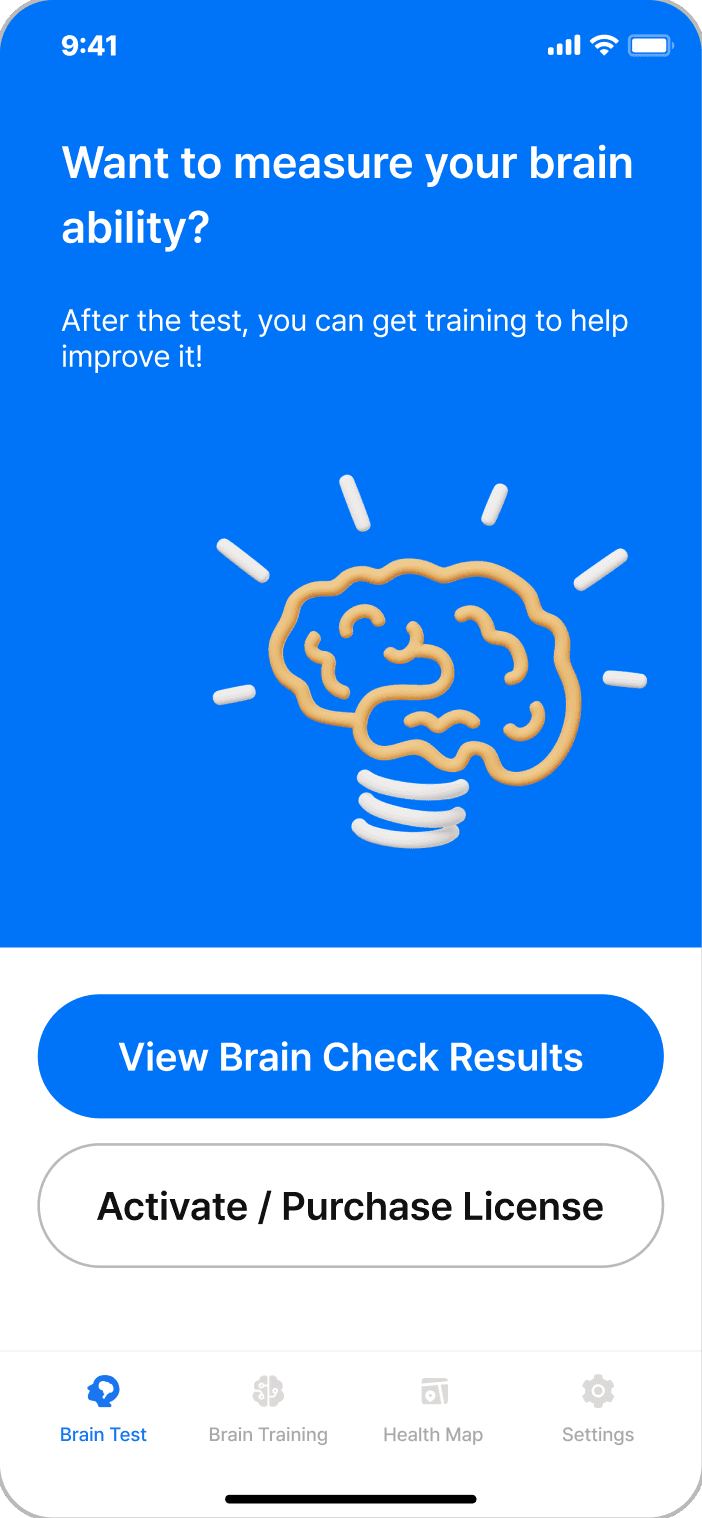
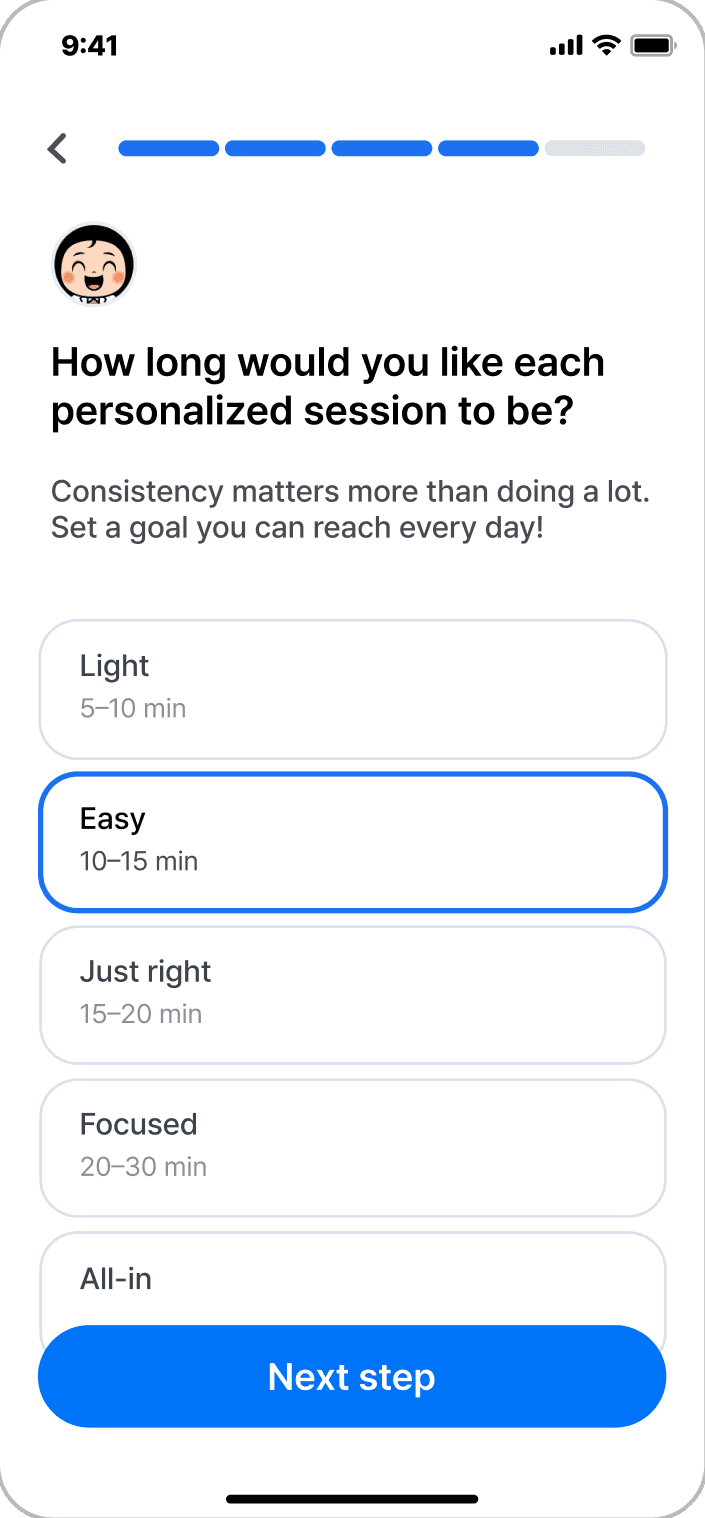
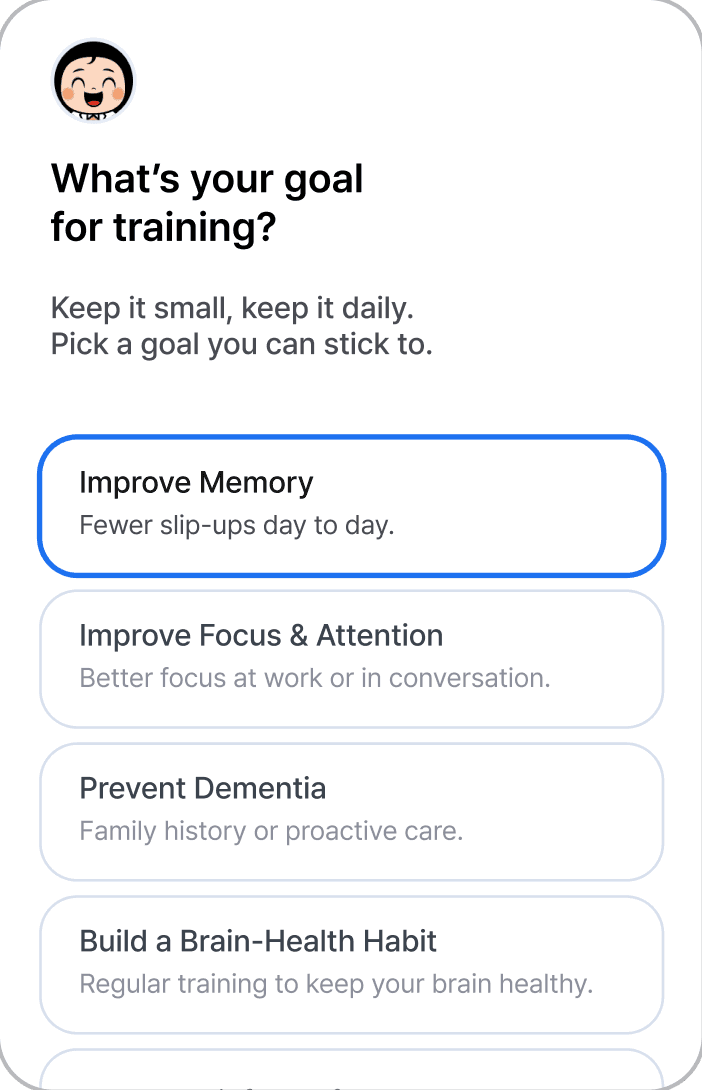
Onboarding
Seamless Start with AI Personalization
Effortlessly integrate your account and customize your profile through AI-driven queries. This streamlined entry ensures a training path perfectly tailored to your needs from day one.
01
Account Integration
Merges all service data into one profile for instant, comprehensive progress tracking.
02
Smart Onboarding
Analyzes preferences to build a custom roadmap, ensuring consistent engagement from day one.
Submit
Early Detection
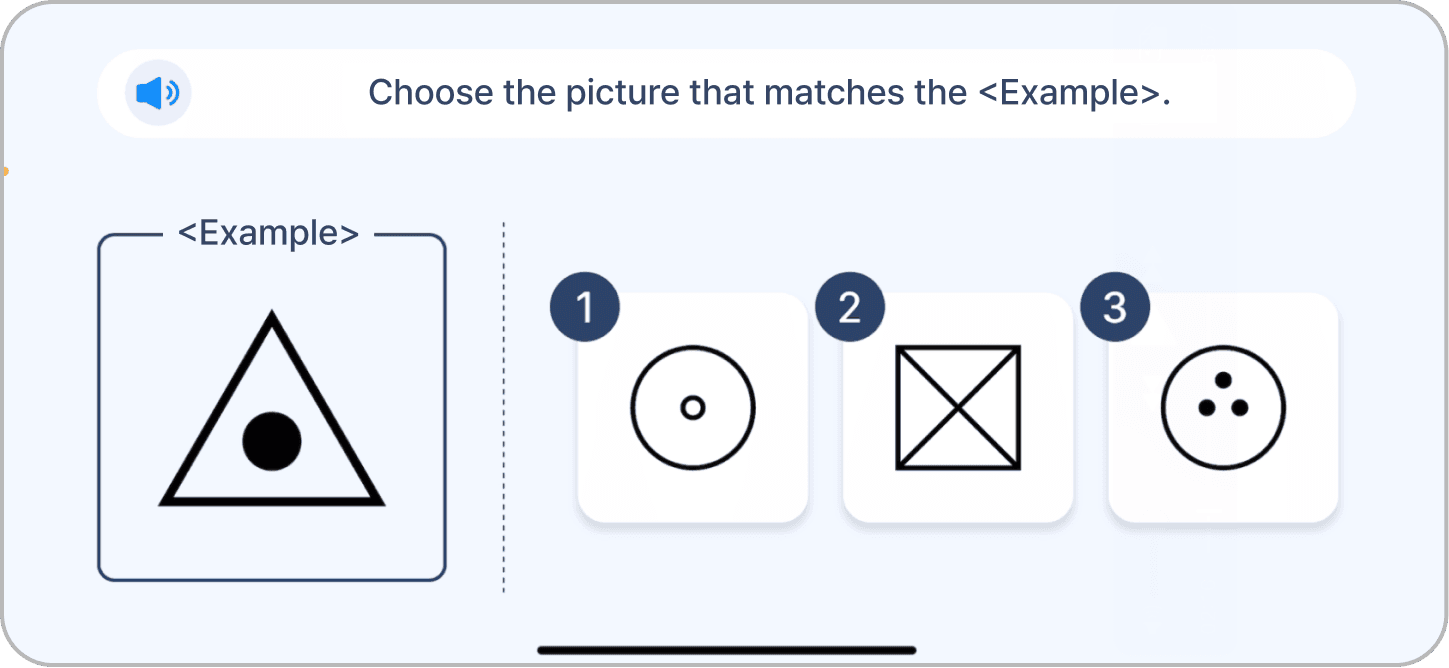
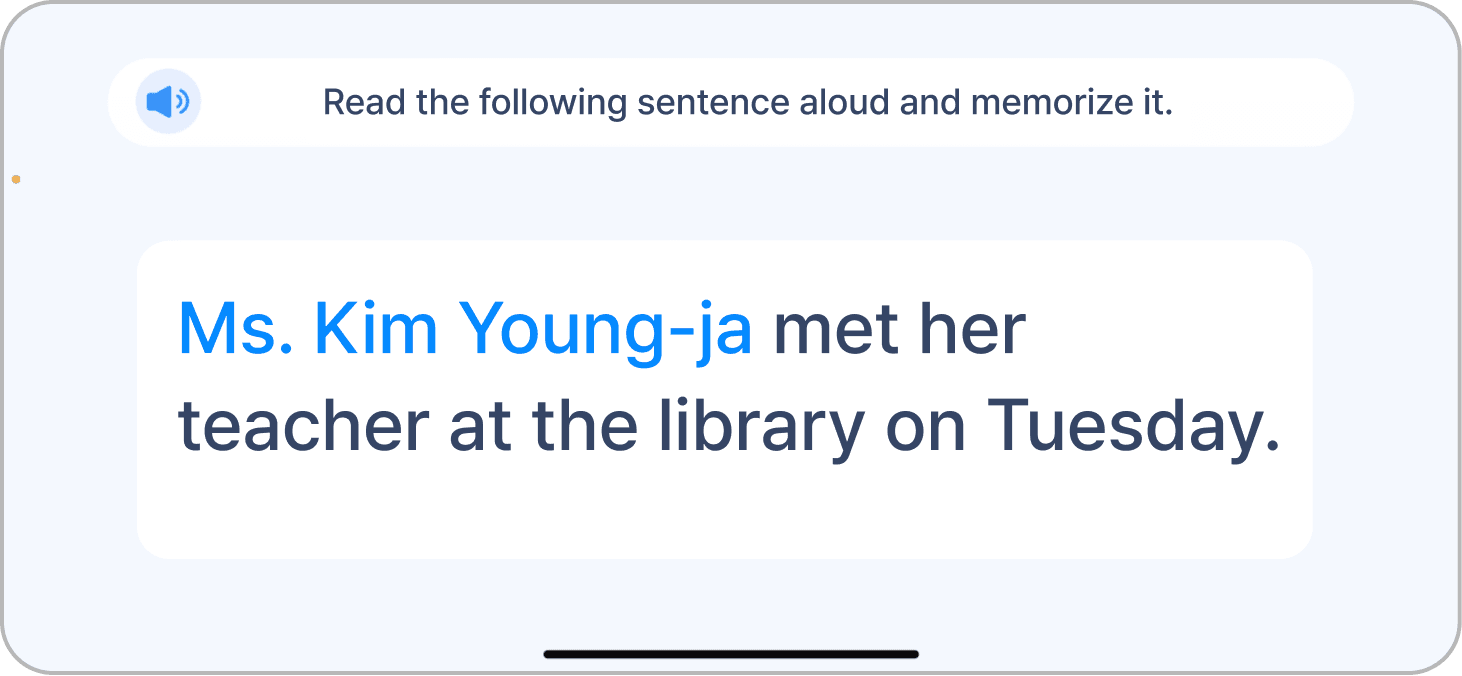
Accessible 10-Minute Assessment
A rapid, user-friendly diagnostic test that evaluates cognitive health in just 10 minutes. It maintains clinical accuracy while significantly lowering the psychological barrier to testing.
01
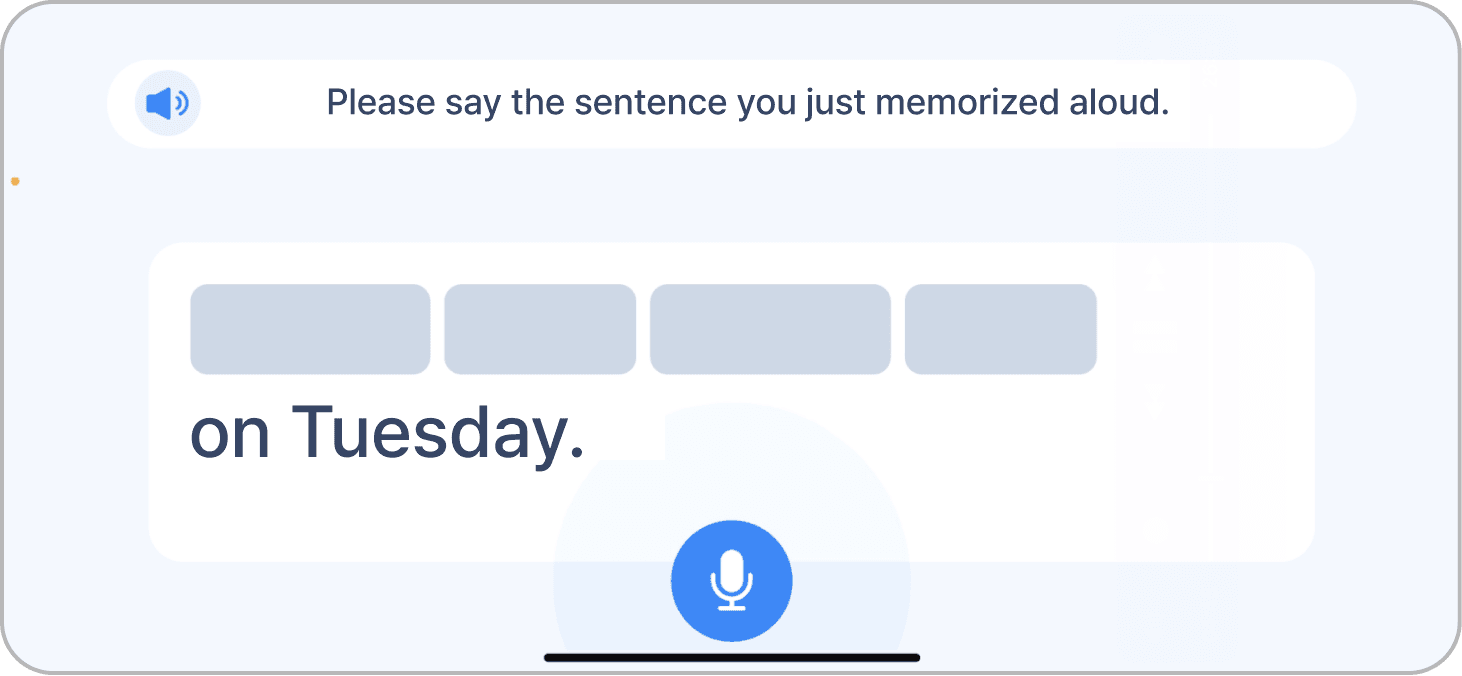
Comprehensive Test Composition
Integrates clinically validated tasks including Stroop (judgment), Memory, and Mixed tests (calculation + memory). This structure ensures verified early diagnosis within a highly efficient timeframe.
Smart Onboarding
Achieves high diagnostic accuracy for Alzheimer’s and MCI through eye-tracking and voice answer analysis.
Personalized Training
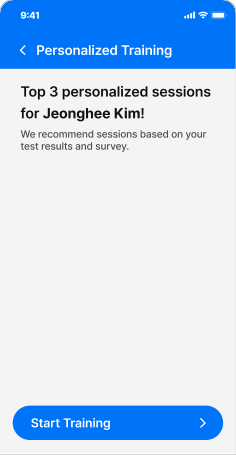
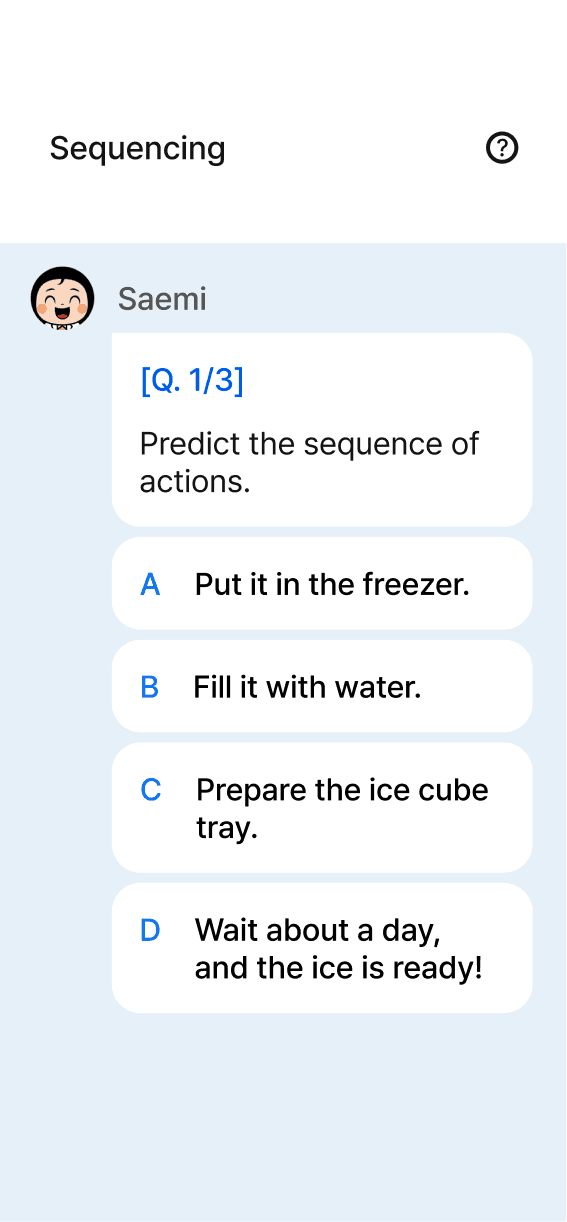
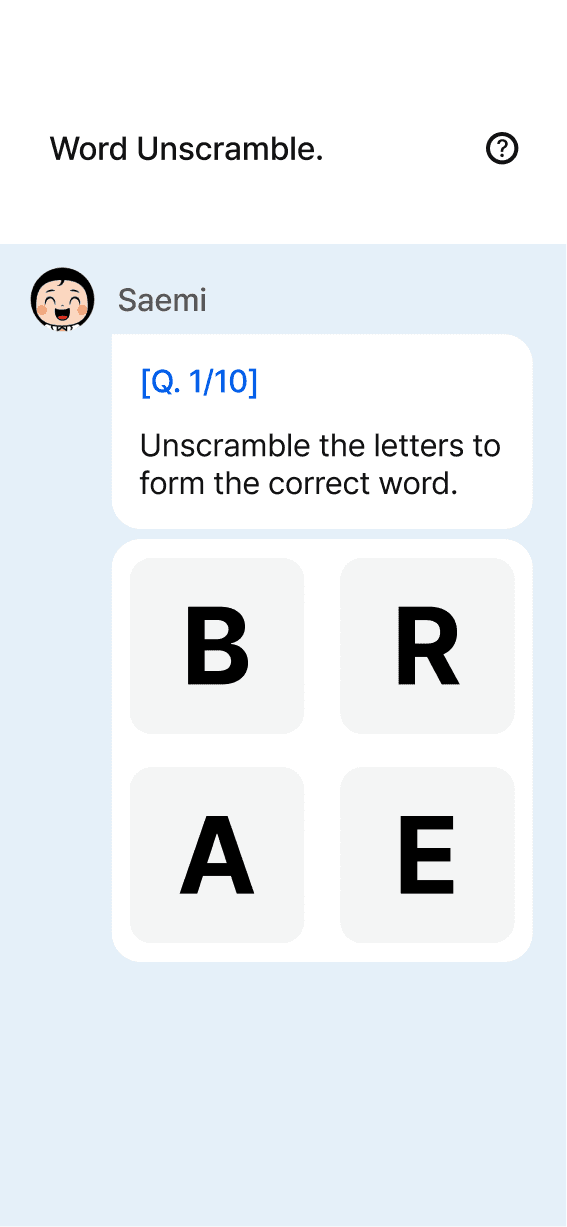
Adaptive Interface for Enhanced Focus
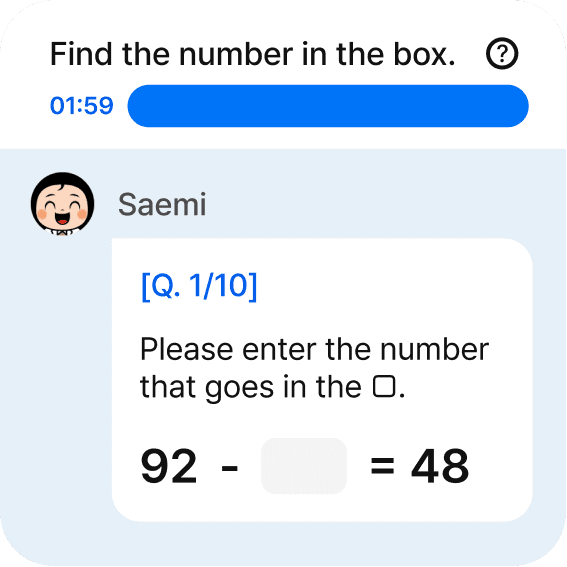
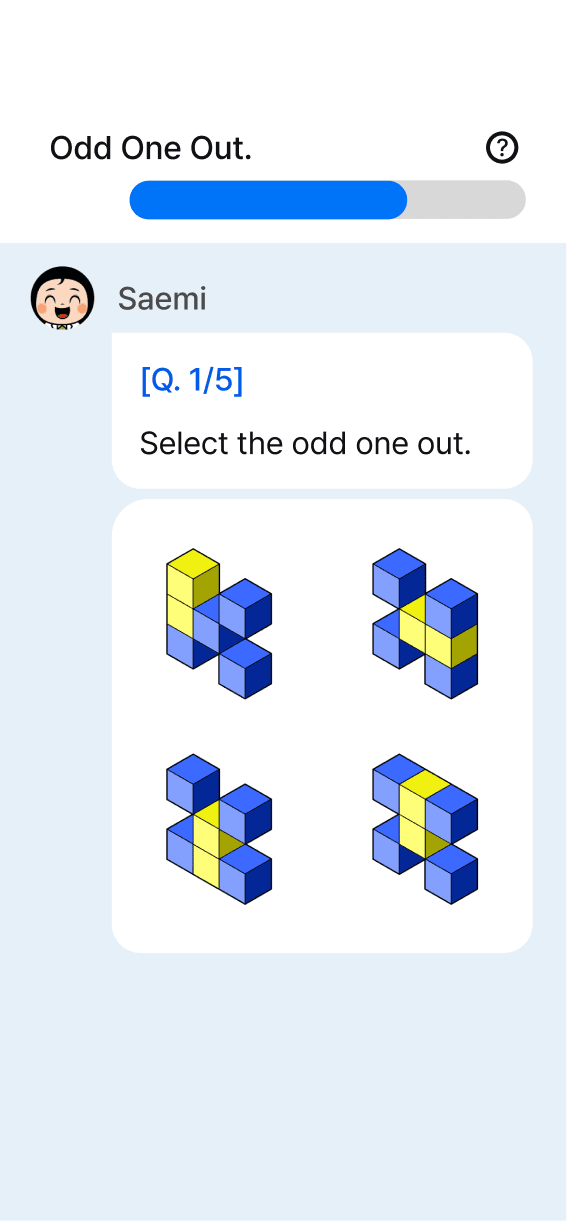
Featuring a refined GUI optimized for readability, this module delivers personalized cognitive exercises. The system adapts difficulty in real-time based on your performance data.
01
Data-Optimized Curriculum
Performance-based adjustments create a rewarding, bespoke curriculum to ensure
lasting user satisfaction.
01:23
02:25
01:00
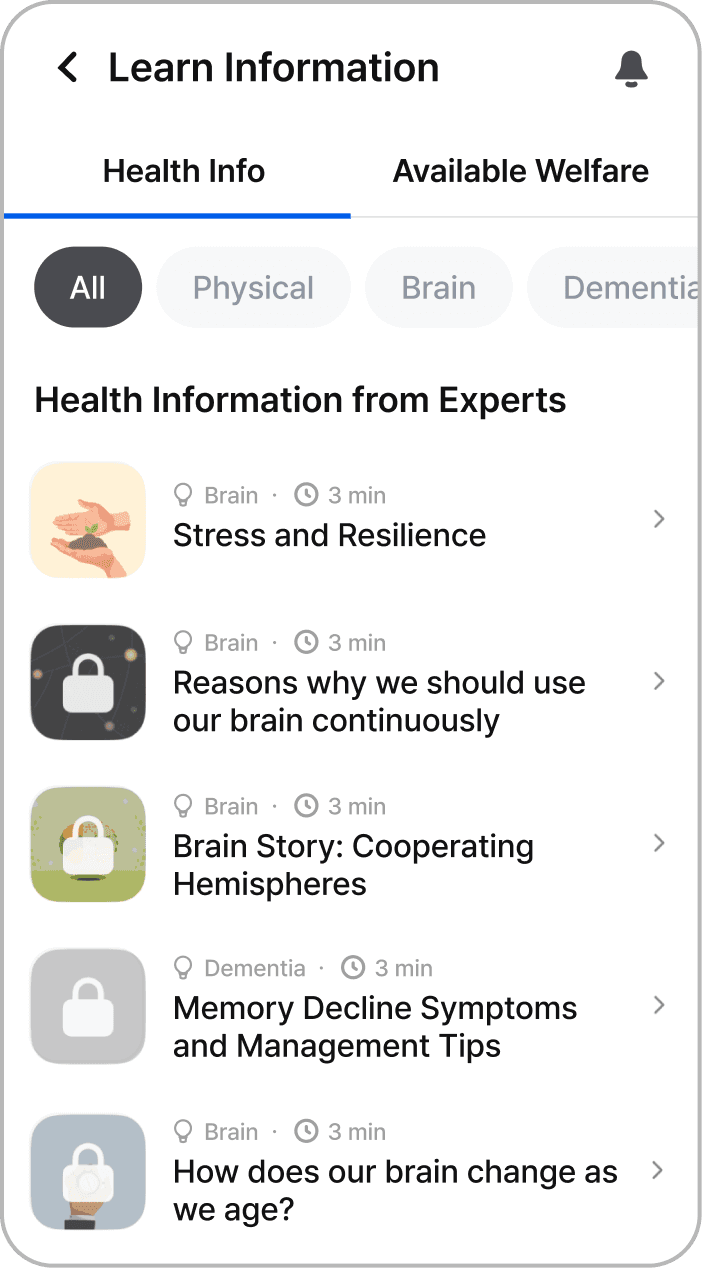
Daily Management
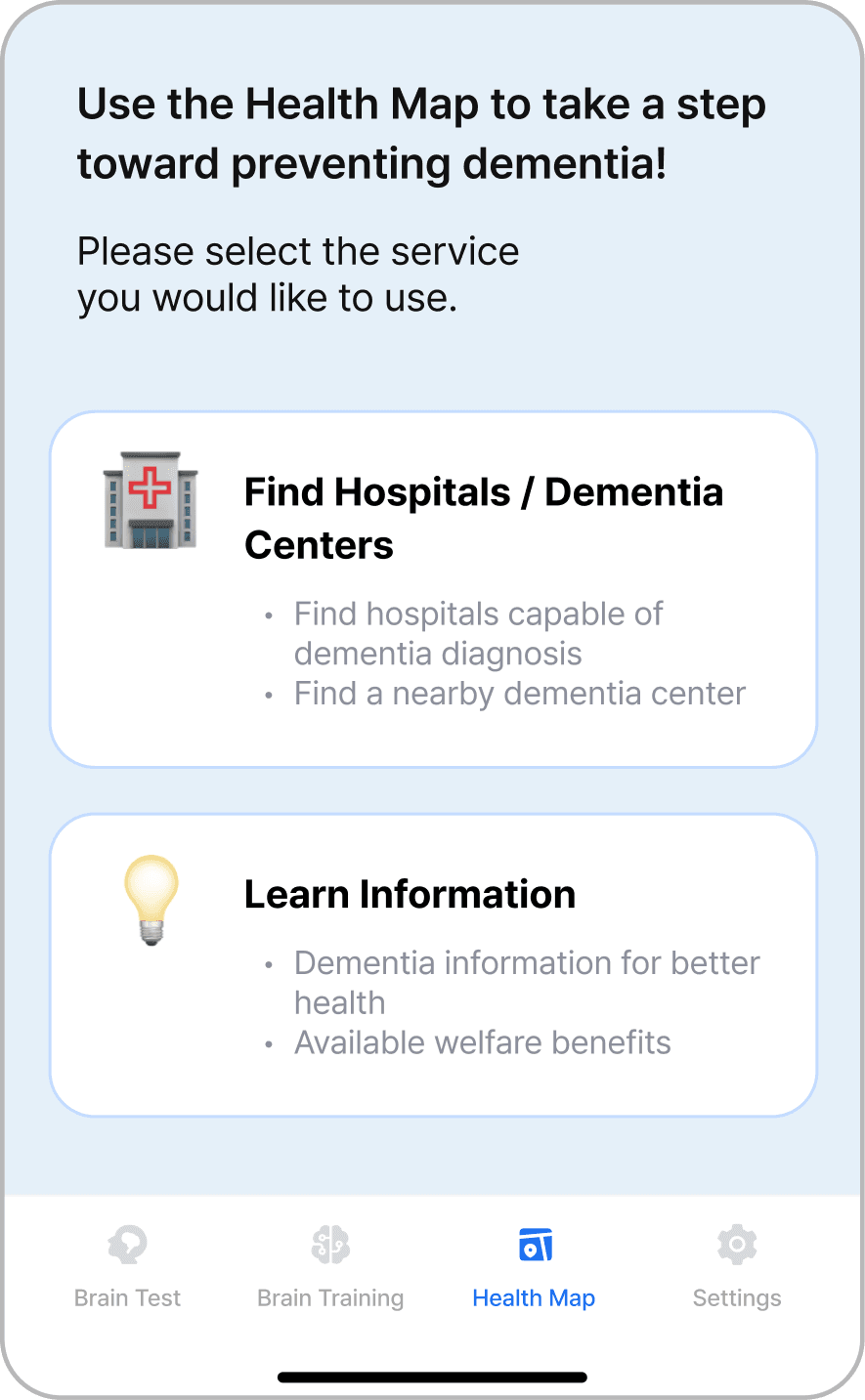
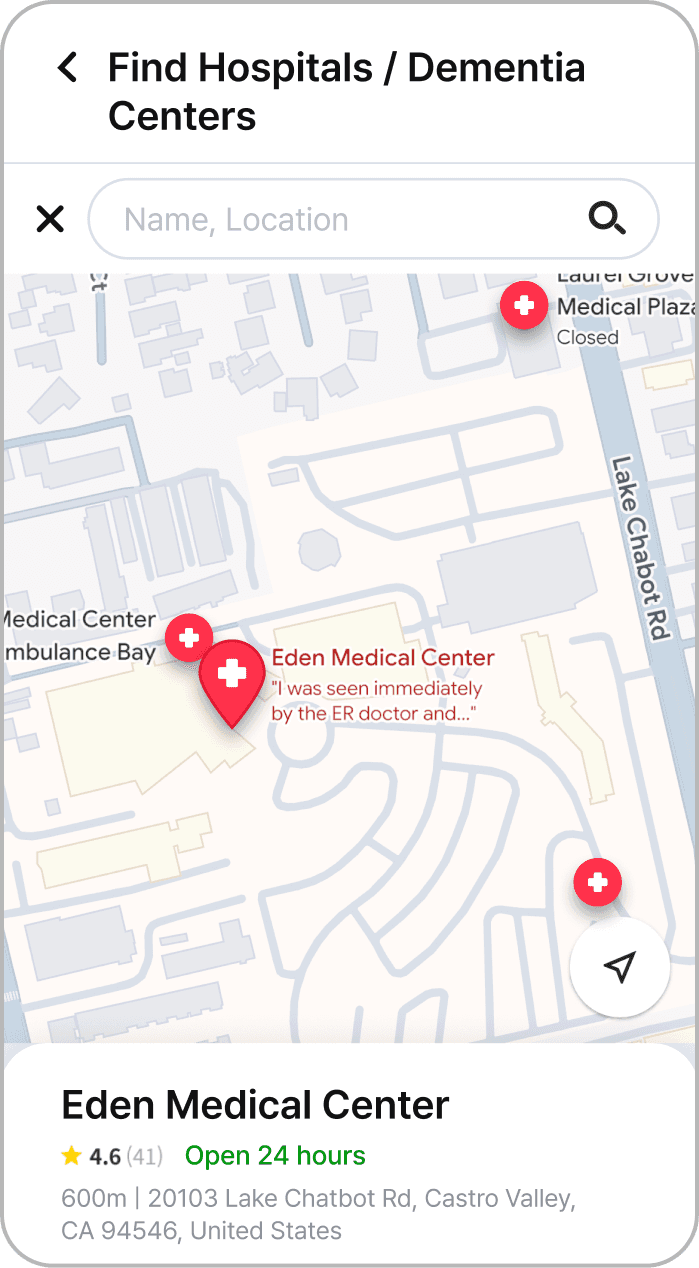
Comprehensive Routine & Health Support
Beyond training, manage your lifestyle with location-based hospital services and smart medication reminders. These tools foster a consistent and healthy daily routine.
01
Rapid Medical Access
Guides users to hospitals for precise diagnosis, facilitating critical early intervention.
02
Verified Knowledge Hub
Delivers reliable health data and welfare programs to resolve uncertainties.
05 | Validation
what i learned
01
"Learning Healthcare Design Beyond the Interface"
Understanding clinical rigor and real-world validation in medical services
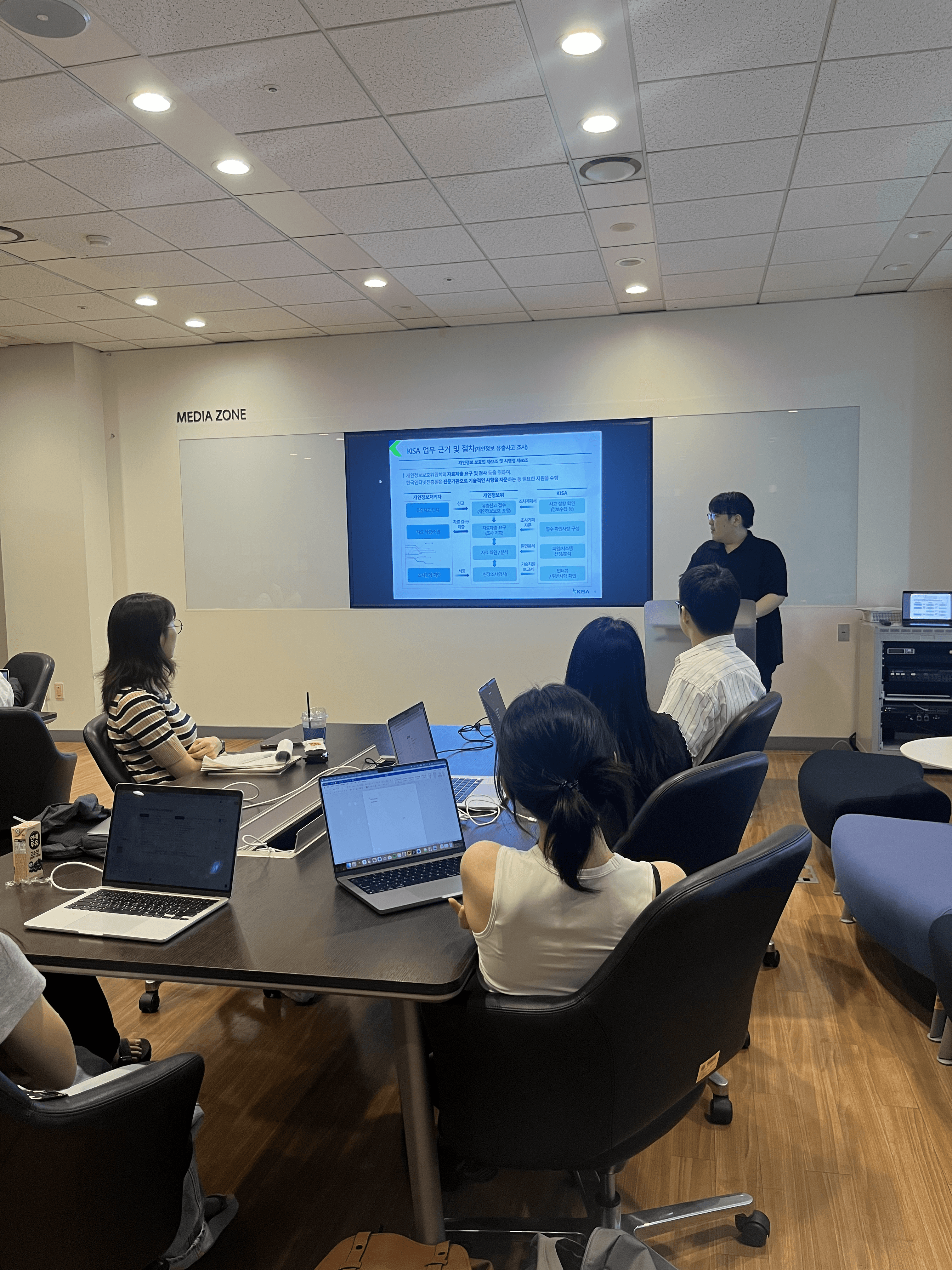
Designing for healthcare requires far more than interface optimization. Working in a research lab alongside senior researchers exposed me to clinical-level considerations such as validation, ethics, and reliability. Observing discussions around clinical trials and service readiness reinforced that medical UX must be grounded in scientific credibility and long-term trust—not usability alone.
02
"Seeing How Medical Startups Actually Move"
From research insights to business-driven decision making
Working within a healthcare startup environment showed me how design decisions are shaped by regulatory requirements, clinical credibility, and risk sensitivity. Close collaboration between research and product teams made these constraints tangible, clarifying how feasibility and business priorities consistently influence what can be designed and how it is delivered. This experience helped narrow my interest toward healthcare UX, where research, trust, and implementation must remain tightly aligned.

03
"Designing UX Flow as a Research Tool"
Structuring qualitative insights into coherent user journeys
Treating UX flow as a research artifact—not just a delivery output—reshaped how I approached design decisions. Translating qualitative observations and behavioral patterns into structured user flows enabled hypothesis-driven iteration and validation. This process strengthened my ability to connect research insights with system-level UX decisions rather than isolated screens.